



Esdras 3:13-14
“The emperor is certainly powerful, men are numerous, and wine is strong, but who rules and controls them all? It is women!”
Authors Note
When I use the word “innocent” in this context, I mean it in both legal and social terms. Legally, everyone has the right to be presumed innocent until proven guilty, and no one can claim to be completely without fault or sin. Therefore, in this discussion, “innocent” refers primarily to a child who has committed no crime against another, while also acknowledging the broader principle of protecting those who have not been proven guilty or found at fault in a legal sense.
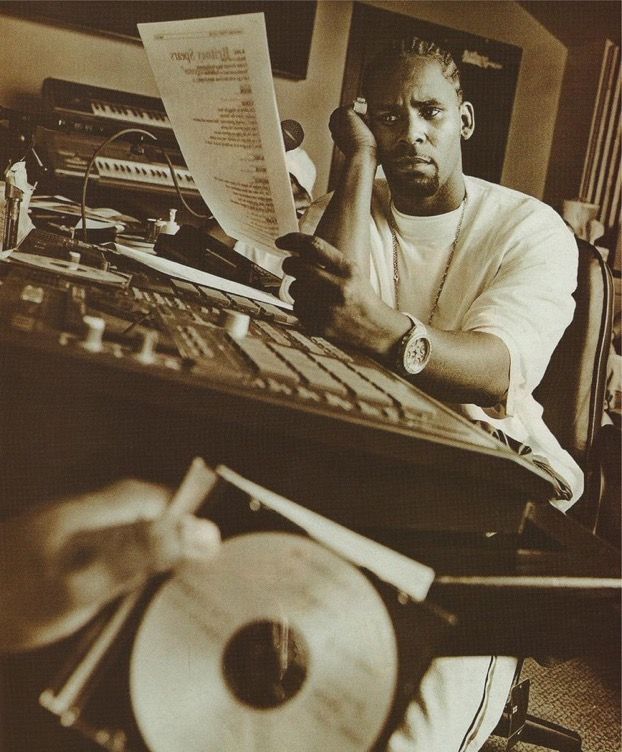
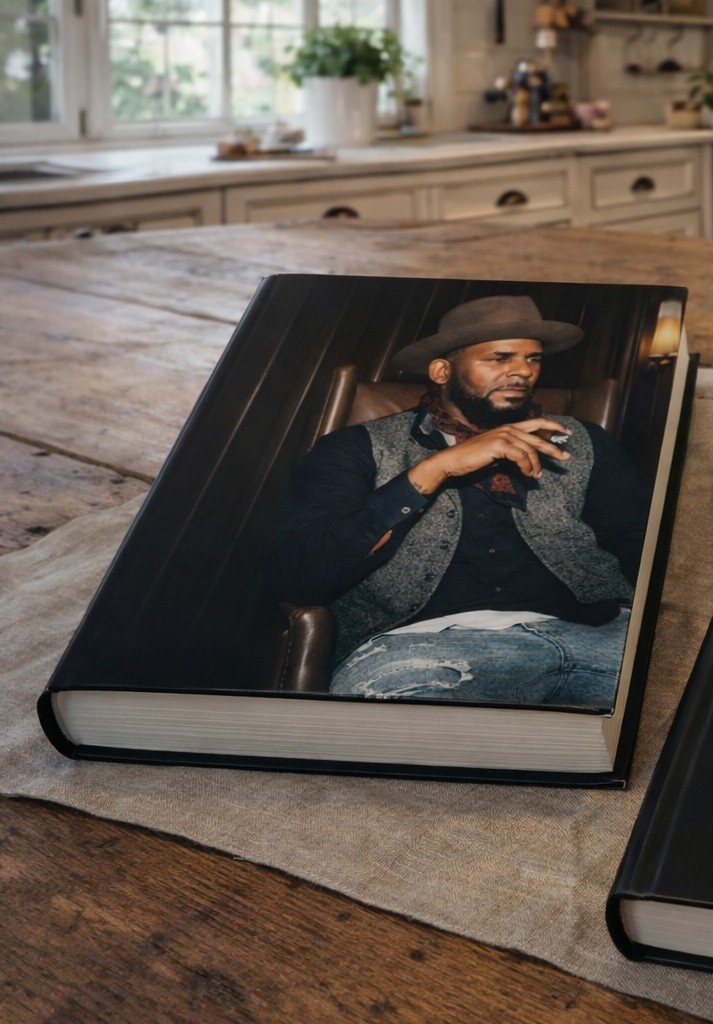
It may be difficult to look upon the following artistic impressions of the women and men involved. They may stir discomfort, even awaken an emotional response. Yet I ask the viewer not to turn away too quickly, nor to reject what is seen at first glance. Instead, pause—consider the quiet but immense power of imagery, and how it has been used to carefully sculpt a fictional character of Robert (R.Kelly) by the media, by Dream Hampton (and company), and by those who stood beside that narrative or wanted to push the narrative.
Again and again, the same images were chosen—sweat-drenched concert photographs of Robert beneath the heat of stage lights or Robert in that orange jumpsuit—repeated until they hardened into a story, until the world was persuaded to see a predator, an abuser, a shadow cast over the man he really is.
But the man I have known beyond the glare of performance is altogether different. In everyday life, Robert has been one of the most impeccably dressed and beautifully presented men I have ever seen. His style, his elegance, his unmistakable swag—these were not performances but natural expressions of who he is. They formed part of the powerful magnetism that drew people toward him.
These artistic impressions were created to reflect something else entirely—my own vision of these individuals once the public masks are set aside. The reality of their characters. When the theatre of reputation fades, when the costumes of virtue and victimhood fall to the floor, what remains are the bare outlines of the soul: intentions, desires, and truths that cannot hide forever.
For God does not create ugly people.
Ugliness is something people fashion for themselves—
shaped slowly through cruelty, deceit, and the harm they inflict upon others.
Continuing on from my post “There Is Nothing Stronger Than A Woman, But Truth Can Conquer Anything.” See the link at the bottom of the page.
Or read 1 Esdras 4:13-43; The Speech about Women, for full context.
This passage challenges a dangerous misconception in modern society—the belief that power exists in one form alone. That it resides only in wealth, in visible leadership, or in physical strength. But power is far more complex, and misunderstanding it comes at great cost.
Too often, women are led to doubt their own influence and capability—and men, too, are taught to underestimate it. This distorted paradigm shapes how society perceives abuse, creating blind spots that allow certain forms of harm to flourish unseen. Abuse is not only physical; it is relational, legal, and psychological. It can appear as the theft of a man’s honor, the destruction of his reputation, the severing of relationships with children and mutual friends. It can exploit legal systems in ways that favor women, or manifest as covert psychological manipulation—a shadowy combination of tactics that often go unnoticed because public assumptions mislabel where power lies.
We must understand: power is not one thing, and neither is abuse.
“6 Dark Traits of the Female Sociopath
Female sociopaths and narcissists are particularly dangerous because their manipulation is often covert, hidden behind charm and a friendly exterior. While definitions of sociopathy and narcissism vary, those on the high end of the spectrum share several key traits: lack of empathy, manipulation for personal gain, egocentrism, entitlement, and often a sadistic pleasure in others’ suffering.
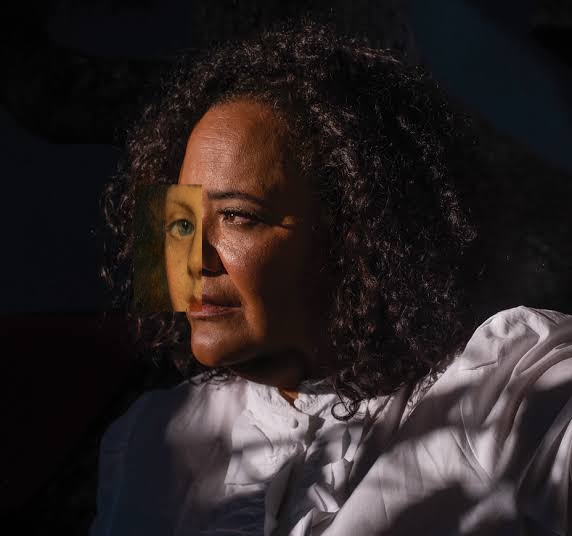
Society’s expectation of women as gentle and nurturing allows female sociopaths to mask aggression, making them especially skilled in covert relational abuse, such as sabotaging reputations, destroying social relationships, and manipulating legal or psychological systems.
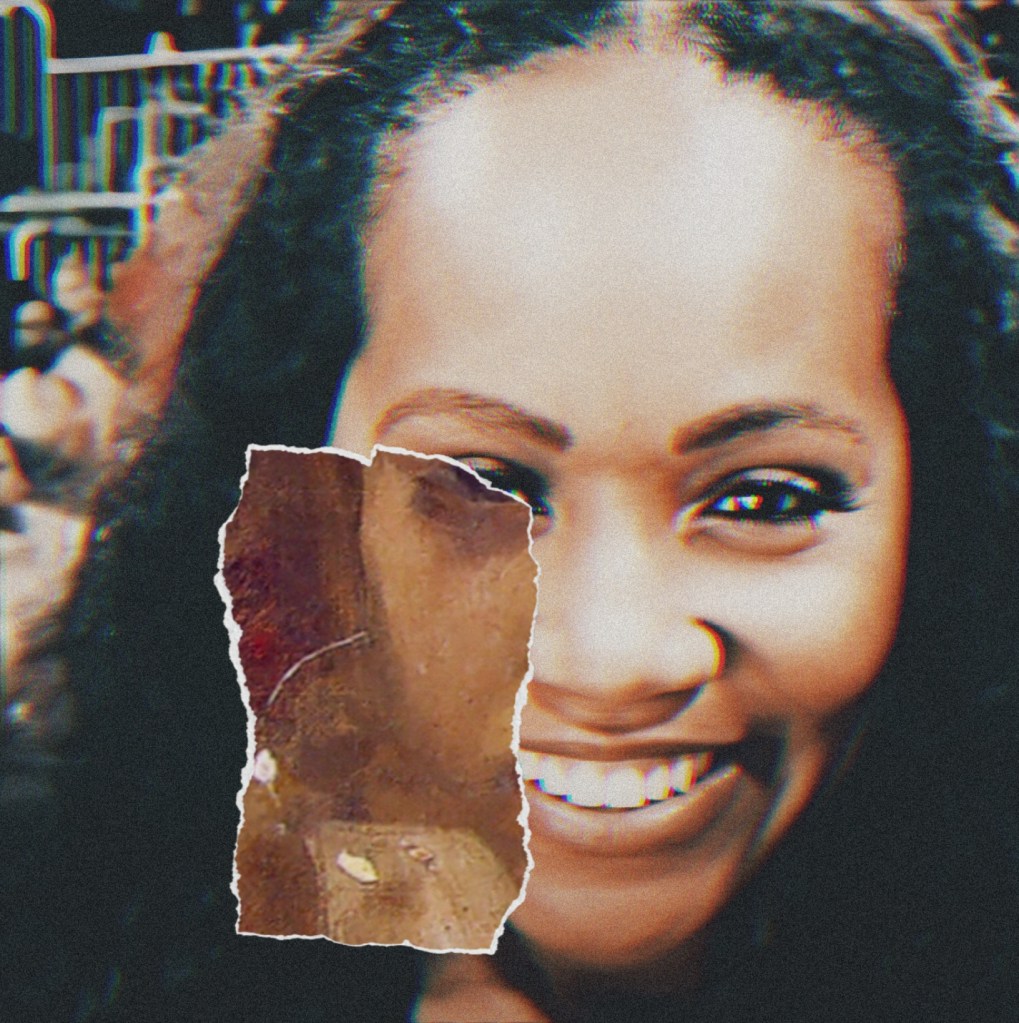
The six hallmark traits include:
- Mirroring and love-bombing – They charm and mirror victims to gather information and exploit vulnerabilities.
- Superficial charm – Speech and gestures are exaggerated and insincere, masking their true intentions.
- Covert sabotage – They undermine others subtly, particularly through relational aggression and social manipulation.
- Lack of remorse and internalized misogyny – They feel entitled, envy other women’s success, and are willing to harm anyone who threatens their ego.
- Sadistic tendencies – They enjoy causing pain, disappointment, and emotional chaos.
- Thirst for attention and control – They seek admiration, sexual or social power, and validation, discarding others when no longer useful.
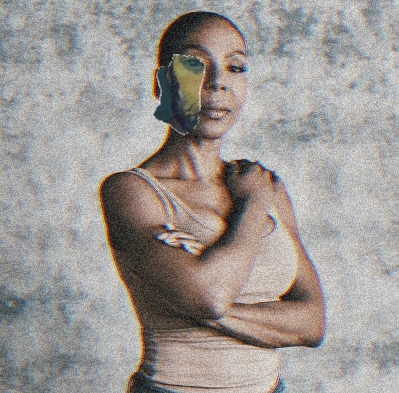
I recall seeing a post from Joann one day, saying they had no food in their refrigerator when she came home. I remember wondering how that was even possible, after all the millions Robert provided over 10 years to ensure their basic needs were met. Equally troubling, I witnessed them complain individually about financial hardship immediately after Robert was imprisoned.
The depth of my disdain is nearly beyond words. I have remained silent, out of respect for her role as their mother, yet in my book, I will lay bare the full truth of what I have witnessed and what Robert has endured.
Female sociopaths are master manipulators, blending charm and cruelty, making victims doubt themselves. Healing involves recognizing the manipulation, seeking validation, documenting experiences, and practicing self-care to overcome their toxic influence.”1
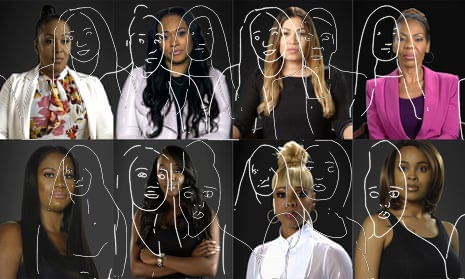
“Psychopathy in women
As for the behavioral expression of the disorder, Forouzan and Cooke suggest that women who are manipulative more often tend to flirt, while manipulative men are more likely to run scams and commit fraud. In women, the tendency to run away, exhibit self-injurious behavior, and manipulation all characterize impulsiveness and behavioral problems. Moreover, their criminal behavior consists primarily of theft and fraud.

“The things people do for money are just sad.
I don’t have sympathy… you had a choice!!!
Smh, I just want the world to be smart at this point.
Come onnnnnnnnn!”
—Halle Calhoun
She expressed clear support, bopping along to his music on Instagram. But later, she was seen online teaming up with Azriel Clary and then changed her story almost overnight. One could say that something Azriel Clary said to her may have motivated her to seek revenge against Robert and to join forces to damage his life and take away his liberty through false allegations.
Maybe it was as simple as the potential to make money down the track through suing him, endorsements, sponsorships, and “victim-centered” supporters, or maybe both?
Some studies have suggested that while men more often show physical aggression, women more often display a more relational and verbal form of aggression. This may, for instance, occur through the manipulation of social networks in attempting to exclude the victim from a community. Alternatively, it may take the form of threats of self-injury, with consequences for family and friends.
As for underlying psychological conditions, it has been suggested that typical markers for psychopathy, such as promiscuous behavior, may have different underlying motivational factors in men and women. For instance, promiscuity in female psychopaths may reflect a wish to gain financial or social benefits.”2
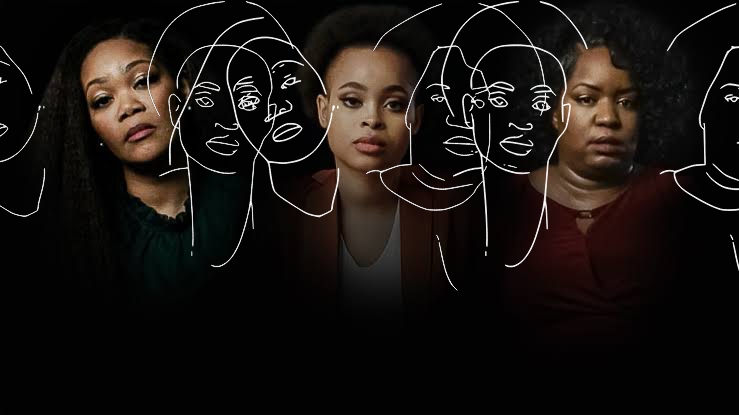
Countless children suffer at the hands of women who, whether through mental illness, psychosis, or manipulation, become instruments of harm. A healthy woman is meant to safeguard and protect a child, but unchecked mental illness and societal misconceptions can invert that role. Misjudging a man like Robert as an abuser while treating women who act as predators as victims is a grave error. It endangers children, men, and society at large.
Read Robert’s real, heartbreaking story of female-perpetrated sexual abuse here:
We can no longer afford the simplistic narratives of power. To protect the innocent, to honor truth, we must see power in all its forms and recognize abuse wherever it hides.
Over the past seven-plus years, I have learned a painful truth: no matter which side of justice you stand on—even when you are on the right side—you can still mistake public conspiracies, slander, misrepresentation, gossip, and personal assumptions for truth. Sometimes, in spiritual circles, this is even called “discernment.” Yet, discernment without God is often a mirage.
This mistake has caused Robert and me immense grief, prolonged the course of justice, and kept the real problem hidden. I have discovered that very few people truly know how to go to God for understanding, guidance, and the fullness of truth. Far more, simply refuse.
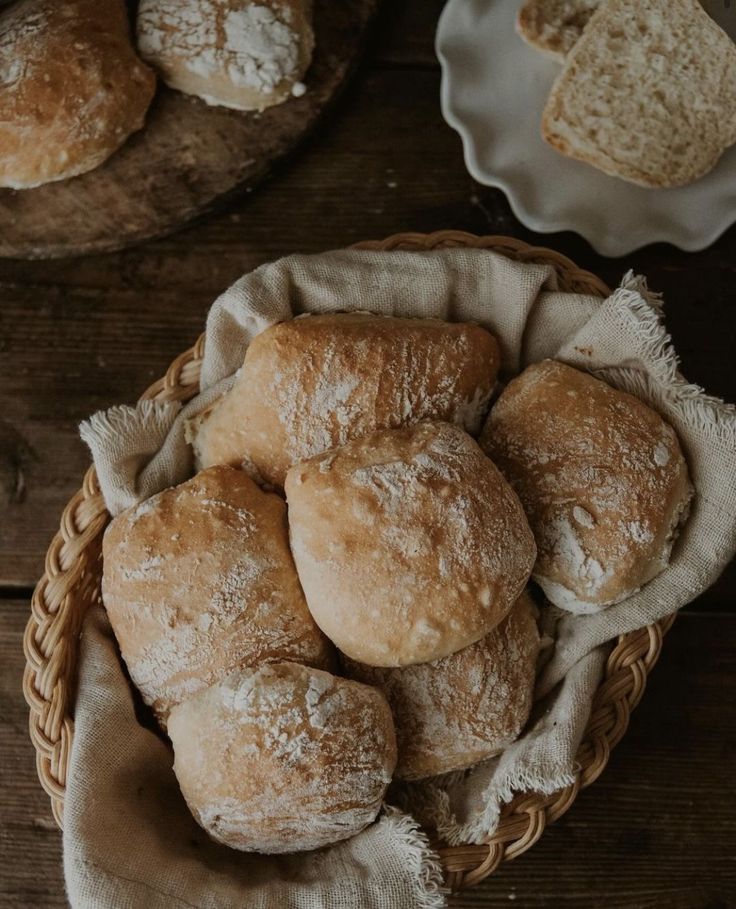
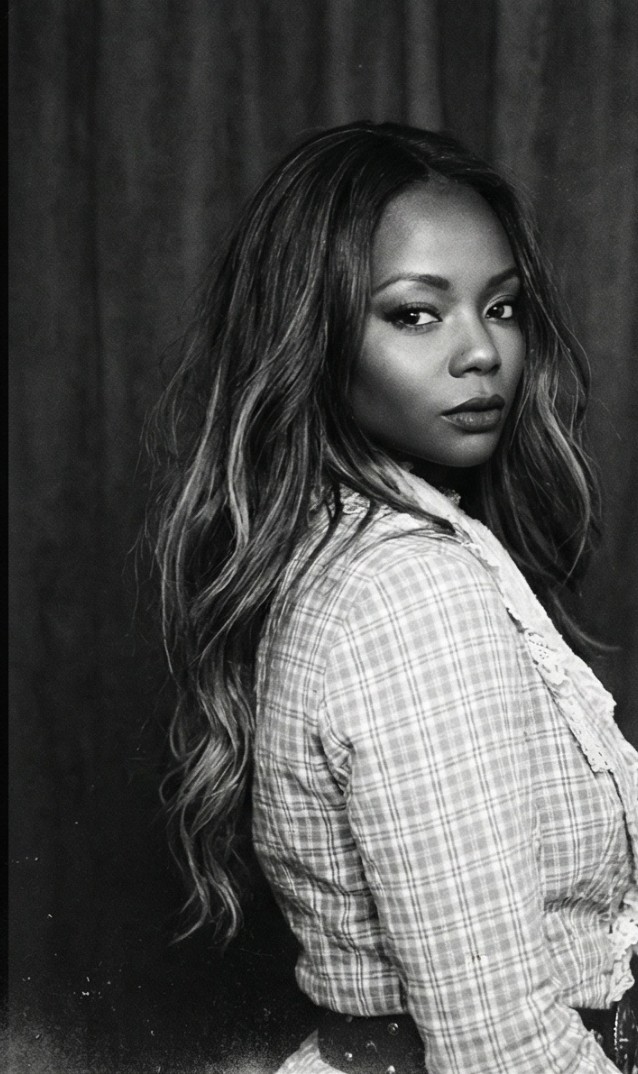
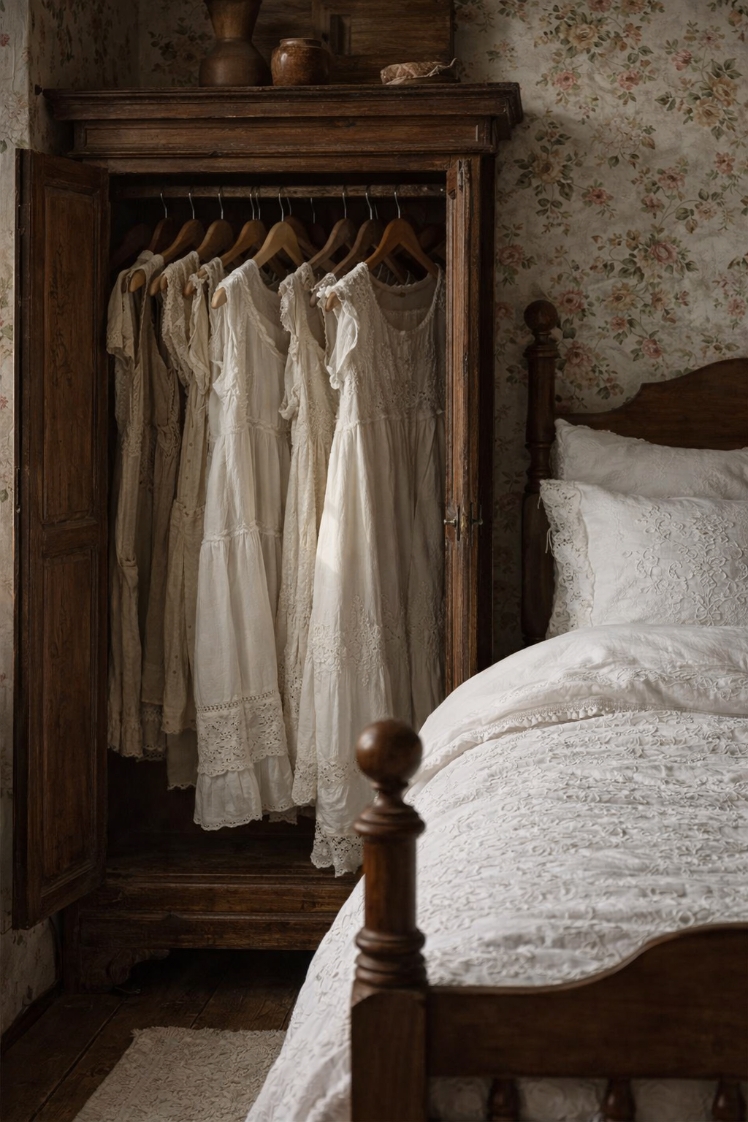



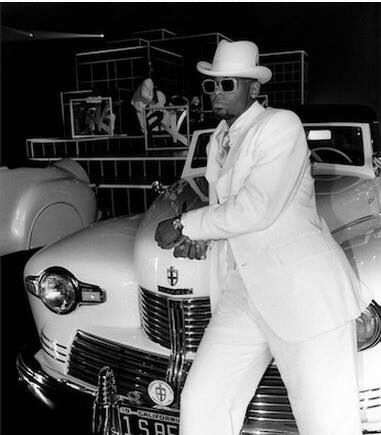

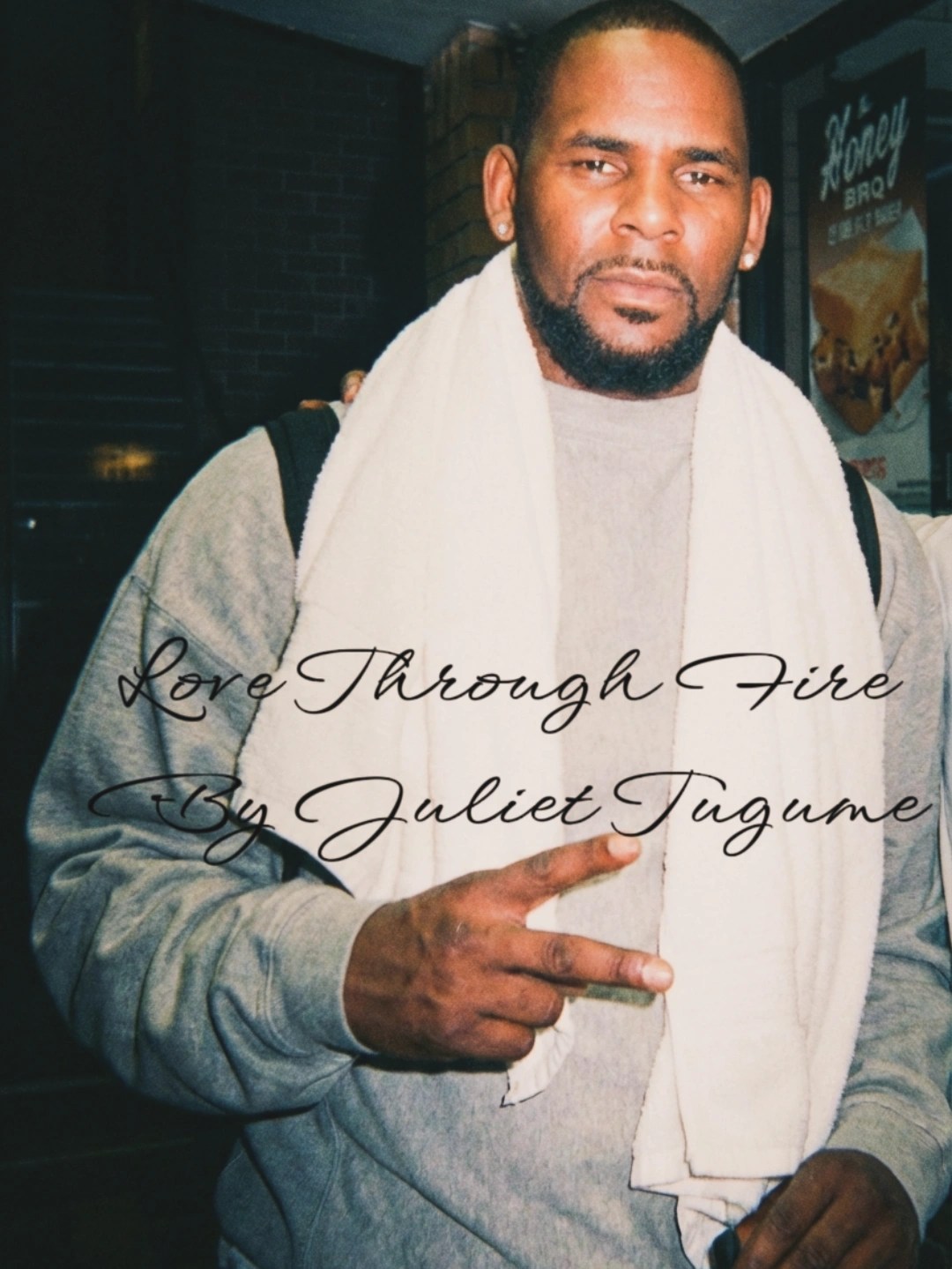
“It feels as though he was taken only yesterday,
and yet as if a thousand years have passed.
I ache to see his face, to feel the warmth of his skin,
to hold him close, to pray side by side,
to lift our hearts in gratitude to God together.
To breathe in this new world, this life reborn,
this path laid long ago—
not by the measure of days, but by God’s eternal hand,
set in motion when the earth itself was but a thought.”
This reliance on human wisdom alone—on what seems clever, rational, or socially accepted—comes at a high cost. Atheists, lacking spiritual grounding and balanced perspective, are particularly vulnerable to deception, manipulation, and being swept into social movements like Mute R. Kelly. But even the faithful are not immune. Many feel far too secure in their connection with God and truth, thinking they already possess understanding, and so they fail to seek His guidance humbly.
“Psychopathy in women
The antisocial behavior of the young women may also have a different expression than in the young men. It has been suggested that early criminal tendencies, rule violations, physical aggression, and violence are good predictors of psychopathic development in young men. At this same stage, young women, who later develop the disorder, show a more relational form of aggression characterized by jealousy, self-harm, manipulation, and verbal aggression. The exception is a small subcategory of young women who share the same tendencies as young men with behavioral problems, but with a later onset than what is typical in young men.”2
Throughout my years with Robert, I have learned to depend entirely on God’s wisdom. Time and again, I have seen how easily human judgment fails. How we are misled by pride, ego, and the hunger for self-importance. To rely on God is to maintain humility—especially when it comes to the lives, intentions, and stories of others.
We must resist forming opinions and judgments based solely on media portrayals, no matter how compelling or damning they appear. No one can establish guilt or innocence without careful, unbiased examination of the documented evidence. High-profile cases are particularly vulnerable to corruption, media curation, and public bias.
The solution is simple, though difficult for many: we must return to God. Humbly admit that we do not know. That we do not understand. That we never will. Leave judgment to Him. Leave the distribution of wisdom, understanding, and truth to Him.
Truth is not the story someone tells with tears. Truth is rooted in common sense, Godly wisdom, knowledge, and evidence. Corrupt hearts can manufacture tears; many seek gain, not justice. We cannot afford to mistake performance for reality. We must let God be the ultimate arbiter, and only then can we glimpse the light of true justice.
Proverbs 3:5-6
“Trust in the Lord with all your heart and lean not on your own understanding; in all your ways submit to him, and he will make your paths straight.”
A Final Word on Protecting The Innocent & Public Movements Against Abuse

There is no statistical evidence that movements like #MeToo and Time’s Up achieved any legal success. The “success” promoted in the media was superficial, while many high-profile individuals targeted remain trapped in legal appeals due to misconduct, corruption, and compromised trials. Cases from 2017–2024, in particular, demand scrutiny from a civil rights perspective, where due process and the presumption of innocence were frequently ignored.
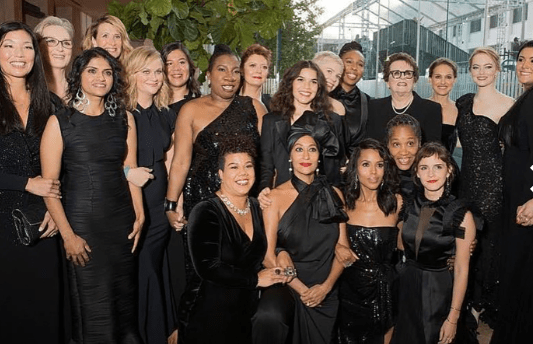
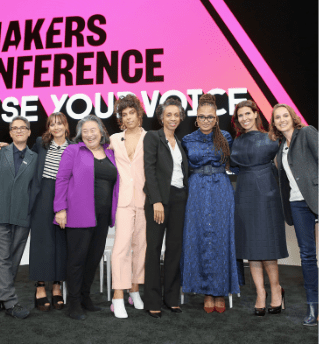
Altruistic narcissism, reputational abuse, legal abuse, and communal abuse are still abuse. Public campaigns designed to combat wrongdoing sometimes became platforms for harassment, threats, and life-threatening attacks on the very people they claimed to protect, creating cycles of personal, professional, and legal harm. Many grassroots organizations continued providing confidential support and guidance without resorting to public condemnation or cancellation.

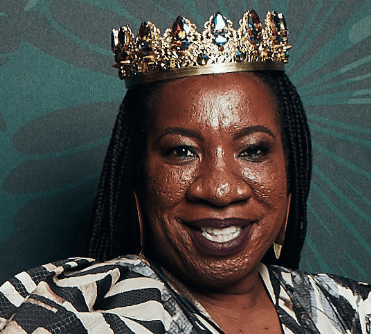
The initiative focuses on reducing mass incarceration and reforming the U.S. criminal justice system through advocacy, public campaigns, and policy discussions. But he was also one of the first of Robert’s peers to publicly and unequivocally label him a rapist, declaring, “I believe these women and don’t give a f** about protecting a serial child rapist.”* He later appeared in Surviving R. Kelly, stating, “R. Kelly has brought so much pain to so many people’s lives. Time’s up for R. Kelly.” It is a stark reminder that the public image of good character and altruism does not always reveal the true heart or intentions of a person.

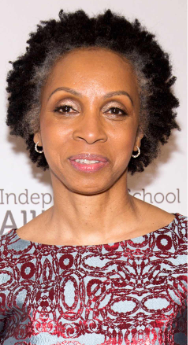
It must be acknowledged that some founders and prominent supporters of these movements appear driven more by narcissism and ambition than by genuine justice, showing a striking lack of compassion, fairness, or human empathy—for example, the organizers behind campaigns like Mute R.Kelly, and others who support these movements remotely. Their actions often amplified harm rather than preventing it.
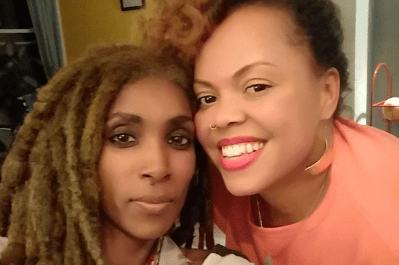
“a serial abuser” and calling for his removal from the music industry. Here are just some statements made by the duo:
“R. Kelly has been abusing Black girls and women for decades.” “We are asking venues, promoters, and streaming services to stop supporting R. Kelly.” They put pressure on government representatives, promoters, organisations, and others to cancel his tours, music, and anything to do with him, long before his trial and even before he was charged.
From a Catholic and moral perspective, justice requires truth, fairness, and respect for human dignity. No one needs to publicly call out anyone accused. Let the legal system adjudicate, let those with a legitimate case pursue remedies through fair and lawful means, and seek guidance, healing, and counsel through God, prayer, and trusted support.
The lesson is clear: when unchecked, movements meant to protect can become the very source of injustice and abuse they claim to fight, harassing and threatening individuals, destroying reputations, abusing the legal system, protecting abusers, and even villainizing those they are supposed to defend and protect. This is what happens when human beings rely on their own power and limited wisdom rather than trusting in God’s infinite wisdom and His ability to enact true justice.
1.Gibson, S. (2018, July). 6 dark traits of the female sociopath. Psych Central. https://psychcentral.com/blog/recovering-narcissist/2018/07/6-dark-traits-of-the-female-sociopath#8
2.Wynn, R., Høiseth, M. H., & Pettersen, G. (2012). Psychopathy in women: theoretical and clinical perspectives. International journal of women’s health, 4, 257–263. https://doi.org/10.2147/IJWH.S25518


 Love Through Fire...
Leave a reply to LuvNvrsn Cancel reply