


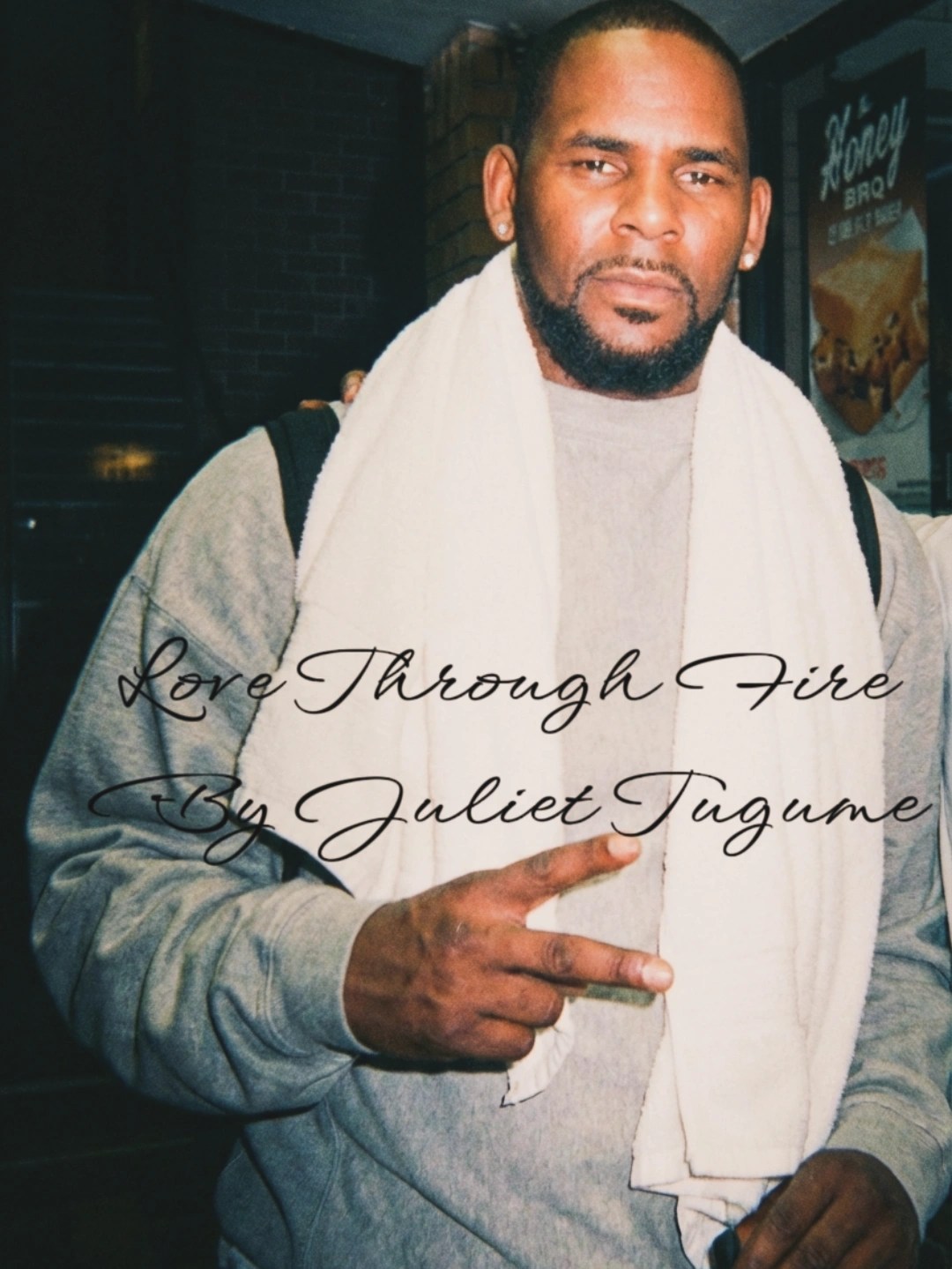


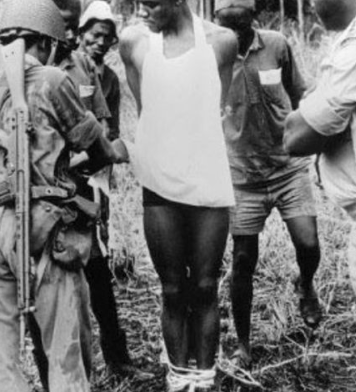
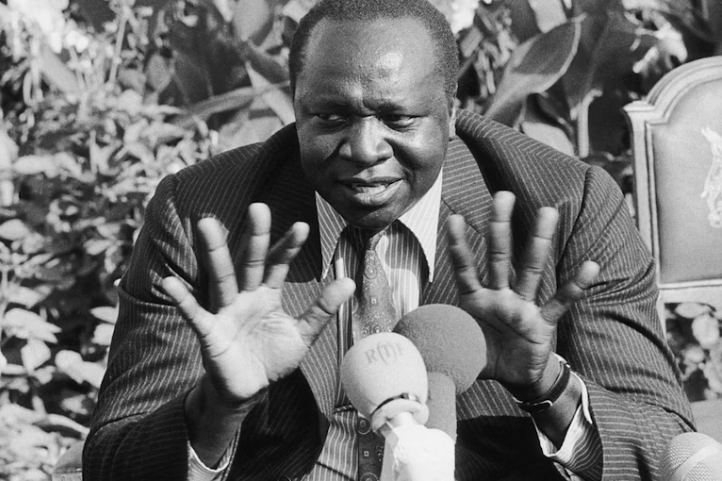
“There is freedom of speech, but I can not guarantee freedom after speech.’ These words, once spoken by Uganda’s dictator Idi Amin to silence a nation, now echo in a world where freedom of speech can both protect and destroy. I believe the very rights meant to safeguard us are too often exploited, and trust in public opinion is far too easily given. In an age where words travel like wildfire, what is spoken can build or ruin lives — and the cost of misused trust is more than any of us can afford to ignore.”
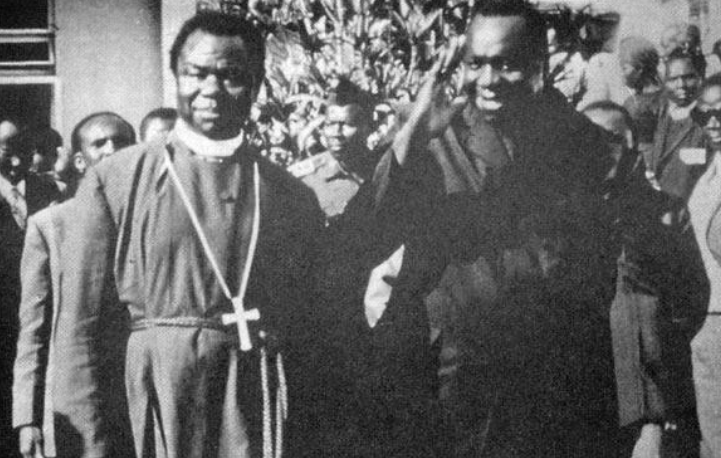
“There is freedom of speech, but I cannot guarantee freedom after speech.”
– Idi Amin
I almost chuckled the first time I heard it. That was the complexity of Idi Amin’s psychopathic mind. My mother used to say he was both dazzling and terrifying — charming, boisterous, entertaining… and yet, beneath that, utterly intimidating. She was forced to report to him repeatedly on my father’s whereabouts, who had gone into hiding for fear of execution.
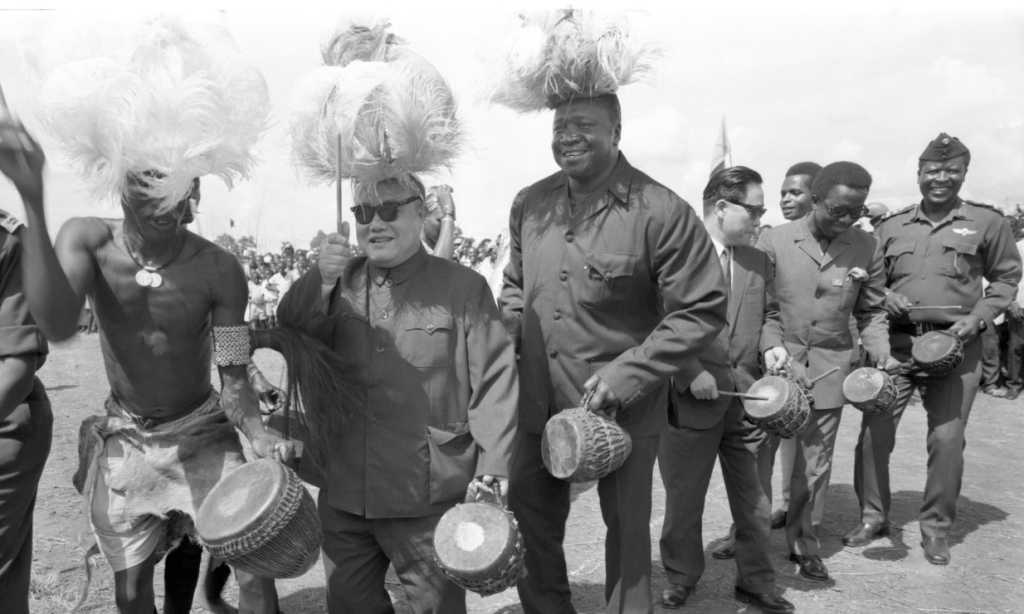
She described him as a massive, imposing figure — as frightening as the stories suggested — yet with a strange other side, capable of convincing and even inspiring many. It was this duality, this mask of charisma, that made him so dangerous.
I have written before about the challenge of protecting the innocent in a world where sociopathic and psychopathic personalities cloak themselves in virtue, inspiration, or even vulnerability. I continue that conversation here, leaving the rest of my family’s story for my upcoming book.
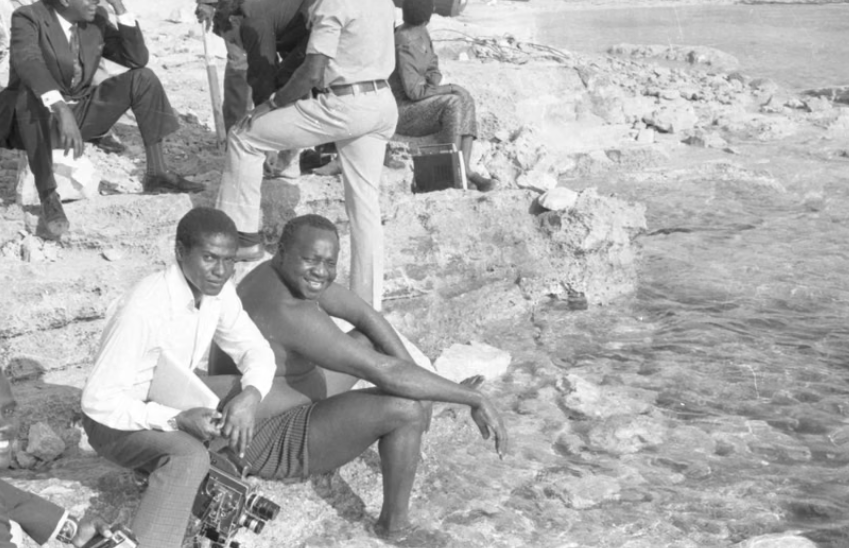
But let me take this moment to warn you: never use words like “dictator,” “abuser,” “violence,” “evil,” or “tyranny” loosely or recklessly around people like Robert or me — true survivors of such realities. Misused, they mark you as the fool, trivialising experiences you cannot fully imagine.




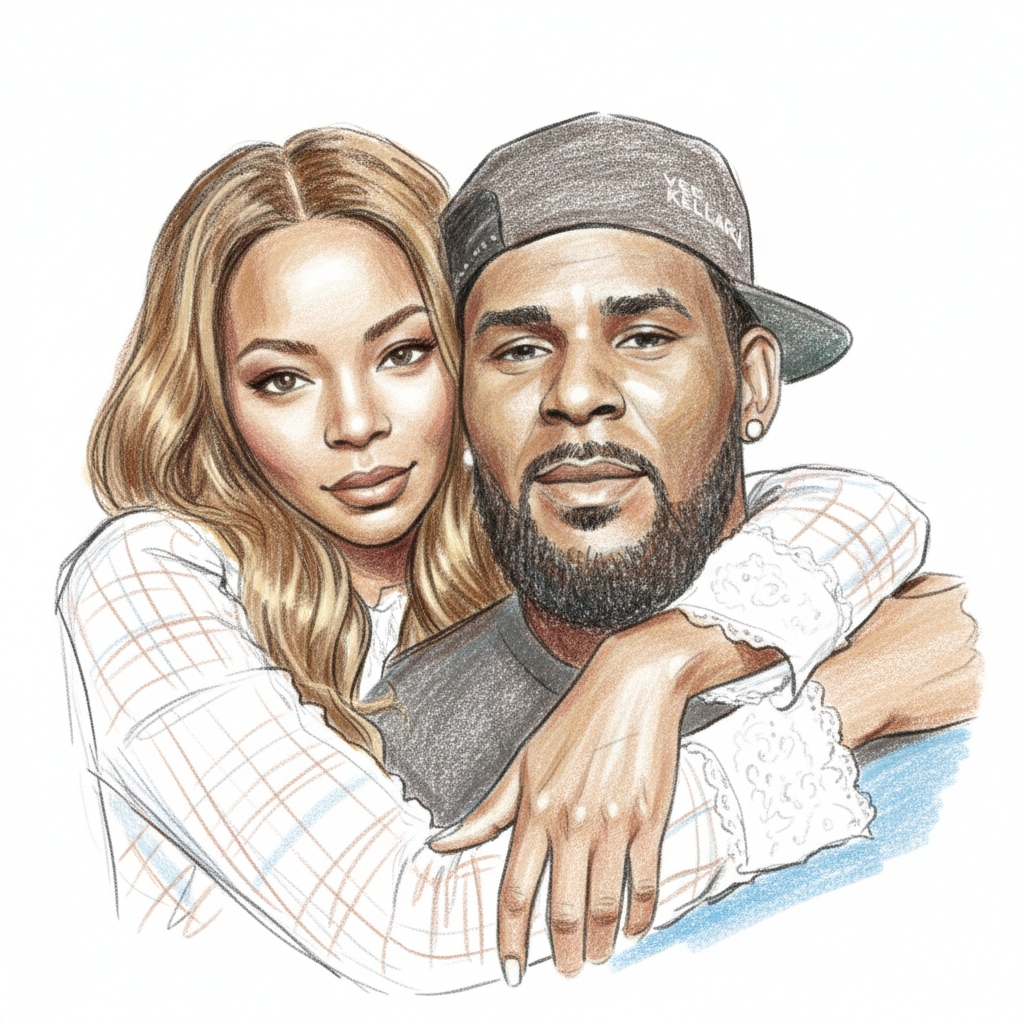
And yet, the truth is more insidious: this kind of narcissism has often been hidden behind altruism, behind the guise of communal concern. The danger is real, and it wears a thousand faces.
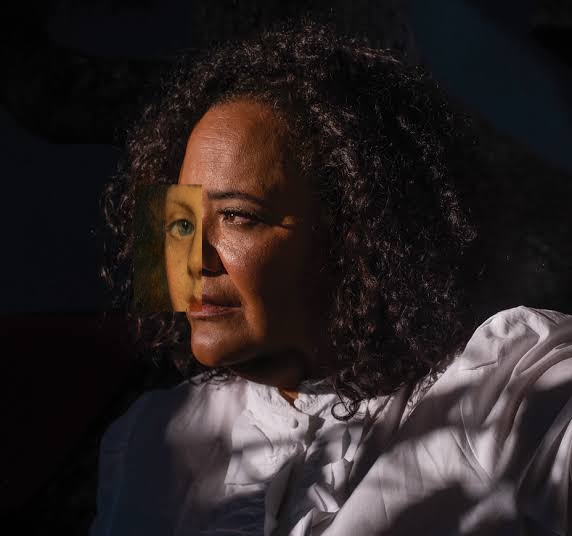
I am the daughter of Ugandan political refugees. I know the result of tyranny better than most. But I never imagined I would find myself writing about freedom of speech in the way I will today. Let alone quoting Idi Amin’s words to make my point. Then again, I never imagined that my heart would belong so fully to the great and enigmatic figure that is Robert. And so, here we begin.


This conversation may not feel urgent to you, may even be extremely boring in this moment as you read these words. It may feel distant, theoretical — something that happens in the lives of others, somewhere far removed from your own.
I understand how that feels, because not so long ago I believed the same thing. I believed that these kinds of storms belonged to other people’s lives. I never imagined that within a matter of months, they could reach into my own world and turn my life and the life of someone I love dearly, completely upside down.
Yesterday it was Robert.
Tomorrow it could be you.
Or someone you love just as deeply.
Maybe that is why the wisdom of Scripture still echoes so powerfully across centuries. The Bible reminds us to move through the world with humility, restraint, and care for one another. As it says:
“Everyone should be quick to listen, slow to speak and slow to become angry.”
— Epistle of James 1:19
And it reminds us, in the simplest and most enduring moral truth:
“Do to others as you would have them do to you.”
— Gospel of Luke 6:31
In a world where words can travel further and faster than ever before, perhaps these teachings matter more now than they ever have.
Because behind every headline is a human being.
Behind every story is a life.
And the measure of our humanity will always be found in how carefully we choose our words — and how compassionately we choose to listen.



This statement, spoken by Uganda’s dictator Idi Amin, was once used to control and silence the truth about the suffering of his people. They were not spoken as a defence of liberty, but as a warning, a reminder that while people might be allowed to speak, they could not expect to remain free after doing so.
Today, defenders of free expression often repeat this statement as a cautionary example, using it to highlight the dangers of suppressing people’s voices and to warn that those who attempt to silence speech risk resembling the very dictatorships they condemn.
But what if, in recent years, these words have taken on a different meaning?
What if, in the modern world, the vulnerable can now be targeted through the very freedoms designed to protect them? What if freedom of speech, when combined with modern technology and global media, can be used to take away a person’s freedom through baseless accusations, hearsay, and narratives presented as truth?
When the legislators wrote the First Amendment to the United States Constitution into law in 1791, they could never have imagined the world we live in today. They could not have foreseen the internet, social media, or the unprecedented access ordinary individuals now have to publishing platforms and global audiences. They could not have imagined a time when anyone, anywhere in the world, could publish a story about another person and see it spread across continents within minutes.
The First Amendment states:
“Congress shall make no law… abridging the freedom of speech, or of the press.”
This protection is powerful. It empowers everyday people — people like myself — to tell our true stories without fear of criminal punishment. It protects the ability of individuals to speak openly, challenge authority, and bring hidden truths into the light.
But with that freedom comes an enormous amount of trust.
Trust in the intentions of those who speak.
Trust in the integrity of those who publish.
And perhaps most significantly, trust in the ability of the public to interpret information fairly, intelligently, and responsibly.
I believe that social media, artificial intelligence, and other technological advancements have empowered people in extraordinary ways. They have improved communication across the globe and created opportunities that previous generations could scarcely imagine. They have given ordinary individuals the ability to build communities, share ideas, and participate in conversations that once belonged only to powerful institutions.
But I also believe these same tools have changed human behaviour in ways we are only beginning to understand. They have made it easier for information to spread without scrutiny, easier for narratives to take hold before facts are verified, and easier for people to react emotionally rather than thoughtfully.
In some ways, they have made society more connected. In others, they have made people intellectually lazier, more reactive, and increasingly disconnected from careful reasoning.
I say this not because I believe freedom of speech should ever be abandoned — I do not. I firmly believe in the principle that we should never throw away the baby with the bathwater. The freedoms that allow us to speak, question, and challenge authority are among the most important protections a democratic society possesses.
But I also believe that the same rights and protections we enjoy as good and honourable citizens are increasingly being exploited by criminals and ill-intentioned individuals. Those who seek to manipulate, extort, or harm others understand how these protections work, and they are often far more attentive to the vulnerabilities within the law than ordinary people are.
They study public behaviour.
They understand what provokes outrage.
They recognise where the law protects speech and where it struggles to respond once accusations have been made.
In the digital age, this creates an environment where serious allegations — including accusations of abuse, assault, or even murder — can be published and amplified globally without requiring evidence, investigation, or verification beforehand. Entire documentaries, articles, and media narratives can be created around these claims and distributed to millions of viewers almost instantly.
And once those stories are released into the public sphere, they cannot easily be undone.
In Robert’s case, the documentary Surviving R. Kelly presented a narrative that was immediately amplified through modern media and social platforms, reaching audiences across the world in a matter of hours. Under existing legal protections surrounding speech and press, productions like this operate within the protections afforded by the First Amendment.
But the consequences for the person at the centre of those narratives can last a lifetime.
Allegations of crimes such as child abuse or sexual abuse carry a unique and permanent weight in public consciousness. Once those accusations are associated with a person’s name, they rarely disappear completely — even if innocence is argued, even if evidence is contested, even if legal outcomes tell a different story.
In many cases, a person may recover from other accusations or even criminal convictions in the court of public opinion. People who have committed violent crimes have sometimes returned to public life and eventually found forgiveness. Yet those accused of abusing a child often face a permanent stigma that cannot easily be removed, regardless of what later information may reveal.
Because of this, I believe we as a modern society must begin to reflect on how freedom of speech operates in an era where information moves faster and further than ever before.
Freedom of speech remains essential. It protects truth, exposes injustice, and gives voice to those who might otherwise be silenced.
But I believe we must also recognise that placing unlimited trust in public opinion and public speech — especially when dealing with accusations of the most serious crimes — carries real risks.
The legal frameworks surrounding freedom of speech were created in a time when communication moved slowly, when publishing required resources and accountability, and when narratives did not spread instantly to millions of people.
Today, the environment is very different.
Technology has created equal opportunity for everyone to publish, amplify, and shape narratives — often without evidence, accountability, or careful verification. Because of this, I believe we must begin having honest conversations about how allegations of serious crimes are handled in the public sphere. Not to weaken freedom of speech, but to ensure that justice remains balanced and fair in a world where words now travel farther and faster than the architects of these freedoms could ever have imagined.
Our legal systems cannot rely solely on precedents set in another time. They must acknowledge the profound changes that technology and global media have brought to society, and recognise that speech today carries a reach and power unlike anything seen before.
Where there are serious failures — where individuals or organised groups publicly declare a person guilty of heinous crimes before a court of law has spoken — the consequences can be devastating. In Robert’s case, activist campaigns such as Mute R. Kelly made extremely serious public accusations. Statements circulated publicly asserting that Robert was a “serial child rapist,” a charge of the gravest possible nature.
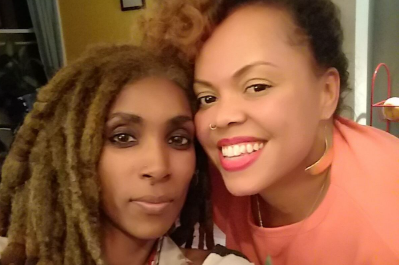
“a serial abuser” and calling for his removal from the music industry. Here are just some statements made by the duo:
“R. Kelly has been abusing Black girls and women for decades.” “We are asking venues, promoters, and streaming services to stop supporting R. Kelly.” They put pressure on government representatives, promoters, organisations, and others to cancel his tours, music, and anything to do with him, long before his trial and even before he was charged.
At the same time, pressure was placed on corporations, venues, and institutions to sever ties with him. In many cases, that pressure was accompanied by the threat of public shaming — the implication that anyone who continued to work with him would themselves be accused of supporting a predator.
When campaigns move beyond advocacy and begin using reputational threats to pressure government members, institutions, silence individuals, or economically isolate a person before a legal judgment has been rendered, serious questions arise. In circumstances where such actions interfere with a person’s ability to work, defend themselves legally, or maintain financial stability, the consequences can reach far beyond speech itself.
In Robert’s case, these pressures were widely understood to have an additional effect: to render him financially incapable of mounting a meaningful defence or even sustaining himself during the legal process.
In any democratic society, this raises profound concerns.
Every person is presumed innocent until proven guilty in a court of law. This is not simply a cultural norm — it is a foundational legal principle embedded in systems of justice influenced by documents such as the United States Constitution and reinforced through due-process protections in the Fifth Amendment to the United States Constitution and Fourteenth Amendment to the United States Constitution.
Due process means that guilt must be determined through lawful procedures, evidence, and impartial courts — not through campaigns, media narratives, or the force of public opinion.
Where speech crosses the line into coordinated efforts that intentionally harm a person’s livelihood, reputation, or ability to defend themselves, legal systems already recognise potential remedies through areas of law such as defamation, tortious interference with contractual relations, and civil conspiracy.
But in a modern media environment where reputational destruction can happen at a global scale overnight, the question remains whether civil remedies alone are sufficient.
If organised campaigns can effectively obstruct the process of justice — by economically isolating an accused person, influencing public institutions, or creating an atmosphere where due process becomes impossible — then society must seriously consider whether stronger legal safeguards are necessary.
Because when the presumption of innocence is replaced by the presumption of guilt, and when public accusation carries more weight than lawful judgment, the foundations of justice begin to erode.
Freedom of speech is one of the most important rights we possess.
But when it is used not to pursue truth, but to predetermine guilt, destroy livelihoods, and bypass due process, it ceases to be an expression of liberty.
At that point, it becomes something else entirely — an abuse of the right itself, and a violation of the very civil protections that freedom of speech was originally meant to uphold.
And if taking away one’s freedom is the hallmark of tyranny, then what can we conclude about those who abused this sacred right to take away Robert’s freedom — and the freedom of others — for their own self-gain? The answer is chilling: it is tyranny masquerading as liberty, wielded not to protect, but to destroy.
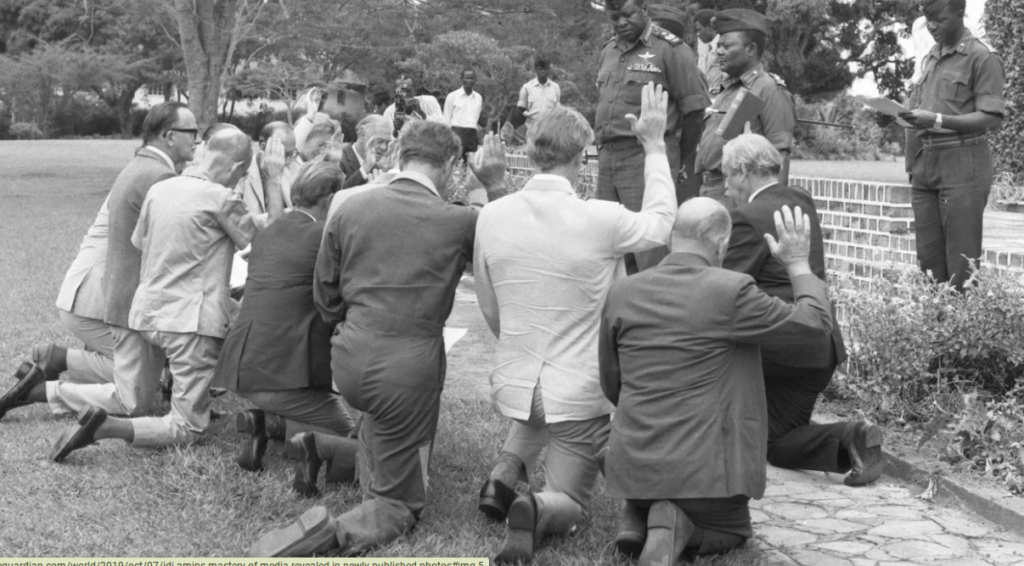
“Just as Erykah Badu faced backlash for her views on Robert, Chicago rapper Da Brat also came under fire. At the Trumpet Awards, she suggested that victims’ parents “need to take responsibility” and admitted she would continue listening to Robert’s music. After receiving widespread criticism, she watched Lifetime’s docuseries Surviving R. Kelly, which prompted her to reevaluate her stance. Speaking on the Rickey Smiley Morning Show, Da Brat admitted she had been in denial, expressed that no one should endure sexual violence, and apologised to the victims’ families.” Abraham, M. (2019, January 24). Da Brat changes her tune after refusing to Mute R. Kelly. – BET.
A Spiritual Perspective
“Everyone should be quick to listen, slow to speak and slow to become angry.”
— Epistle of James 1:19
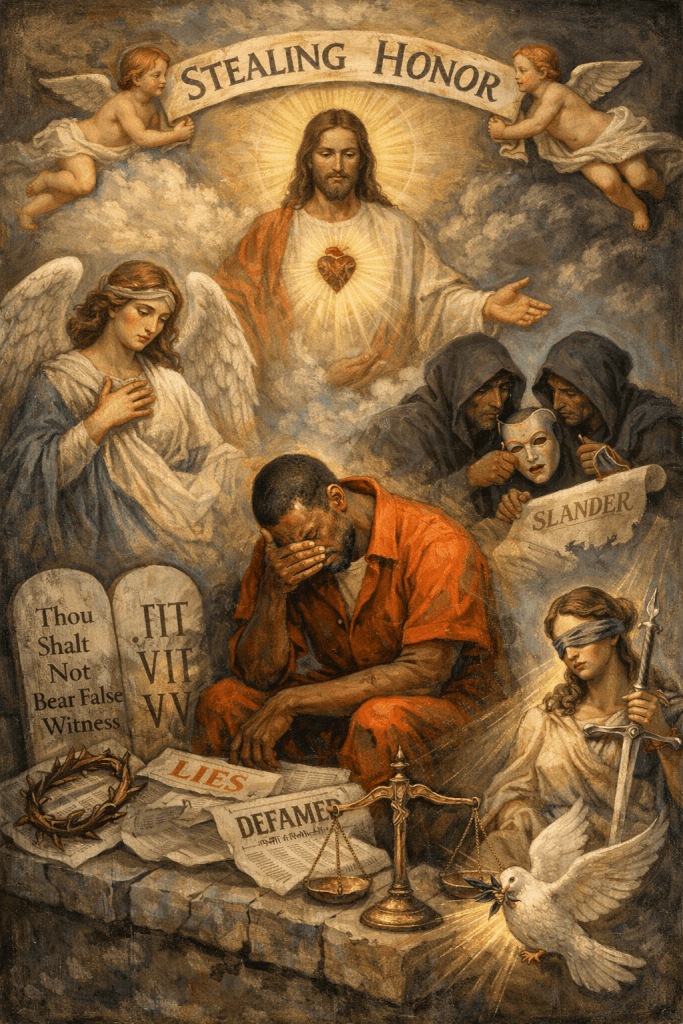
1. The Eighth Commandment
The Catechism of the Catholic Church teaches:
“You shall not bear false witness against your neighbor.” (Exodus 20:16, CCC 2464)
This commandment isn’t only about lying in court. It encompasses all acts that harm the good name or reputation of another person, including dishonouring someone unjustly.
- Calumny: Falsely accusing someone of wrongdoing, thereby stealing their honour or reputation.
- Detraction: Revealing another person’s faults without a valid reason, even if true, damages their good name.
- Slander: Speaking untruths with the intention of harming someone’s honour.
Reference: CCC 2475–2477

2. The Dignity of the Person
The Church emphasises that every person is made in the image and likeness of God (Genesis 1:27). Violating someone’s honour is an offence against that person’s dignity and, in effect, against God.
- To steal someone’s honour is to deprive them of the respect and esteem they deserve.
- Moral responsibility requires that we speak truthfully and with charity, protecting the reputation of others whenever possible.
3. Reparation
If someone’s honour has been stolen or damaged:
- The Church teaches that reparation is necessary (CCC 2459–2460).
- One should acknowledge the harm, seek forgiveness, and restore the reputation of the injured party as much as possible.
Summary
In Catholic teaching, stealing honour is morally wrong because it:
- Violates the Eighth Commandment.
- Injures the dignity of another human being.
- Demands reparation if done.
In essence, taking away someone’s honour — through lies, public shaming, or gossip — is considered a serious moral offence, not merely a social misstep.
 Love Through Fire...
Leave a comment