

Song of Songs – 3:5
“Promise me, women of Jerusalem;
swear by the swift deer and the gazelles
that you will not interrupt our love.”
This is where I begin to share more deeply about what truly happened during our legal battle — the moments behind the headlines, the decisions forced upon Robert, and the immense pressure he endured. He was compelled to make false statements about his personal life, forced to present himself as being in a polyamorous relationship, and even as being engaged to Joycelyn Savage — none of which was ever true. Legally, this is known as coercion, or compelled silence. But in reference to Jennifer Bonjean, it’s also a false statement to the court, a knowing or reckless misrepresentation to the court, professional misconduct, fraud upon the court, failure to correct a false statement, and ineffective counsel.
You can research what this means for her and Steven Greenberg et al. for yourselves.
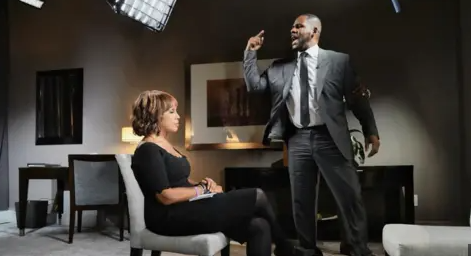
I also want to take people back to the Gayle King interview and shed light on what most completely missed. This was Robert’s first — and most overlooked — revelation about his private life: me. Yes, that’s right. The very first time I was mentioned publicly, everyone missed it… except for one dedicated fan who heard exactly what he was saying.
On a personal level, this has been an ongoing battle for truth, for survival, and for the chance to protect the love we share. I want to take you behind the public story, to show the reality of what we faced, how he was cornered by lies, and how I stood by him, fighting to ensure that the truth — finally — could be told.
I admit that when the interview first aired, I couldn’t bring myself to watch it in full. I was overwhelmed by everything that was happening and deeply wounded by what was being done to the man I loved. It felt like torture to watch. It felt like it was me there, and it hurt so much. My heart simply couldn’t take it. Because of that, I initially missed something crucial.
What I didn’t realize at the time was that Robert’s words to Gayle were taken completely out of context. He did not say that Azriel Clary or Joycelyn Savage were his girlfriends. In fact, he said the opposite. It wasn’t until a devoted fan of Robert’s reached out to me — someone who had listened to the clip repeatedly — that the truth became clear. She heard exactly what he was saying: that AC and JS were not even close to being his girlfriends. His exact phrasing was, “They almost like… almost like my girlfriends.” It was that pause — that use of the words almost like — that gave everything away. At the time, I was confused and deeply troubled. I believed Robert had lied on camera because I knew the reality of the situation and that it was a professional arrangement and agreement for a music internship. As his closest friend then, I was actively helping him navigate an impossible position, so that both women could move on with their lives, protecting him from further false allegations of control and abuse. I see now how impossible that task truly was.
When you are dealing with erotomania, obsession, and infatuation — regardless of age — particularly in women raised to believe that lying is as natural as breathing and that fame is something to be chased at any cost, there is no reasoning, no release, no clean ending. These are women who cannot accept rejection. They cannot understand that a relationship was never possible, nor can they accept that Robert had every right, as a human being and as a man, to say no — without explanation, justification, or appeasement.
Both women appear to have come from similarly shocking and abusive upbringings, with no framework for what is appropriate, healthy, normal, or genuinely in their own best interest. That’s what they confided in Robert, too. I have said this before, and I will say it again: Robert was completely cornered by their obsession with him, compounded by the false narratives of control and abuse being spread by their families. Once he understood the consequences of rejecting women like this — that rejection alone could trigger false allegations — he made a calculated attempt to protect himself from having their names added to an ever-growing list of accusers. By not denying his interest publicly (often what triggers a sociopathic attack of false allegations).
He knew their families were pressuring them to join the conspiracy against him, and that all it would take was rejection for everything to explode.
The greatest lie the conspirators managed to sell to the public was that Robert was the one chasing young women, manipulating them as a predator. In reality, it was the complete opposite in every single case. The second great false conclusion is that these women hate him — that they fear or despise him. They do not. They are obsessed with him in a deeply unhealthy, unnatural, and destructive way. This obsession is the true root of these stories. Even money and fame pale in comparison to their desire for him.
I say this not hypothetically, but as his partner — and as someone who has personally been on the receiving end of obsessive female fans. The level of hatred I have endured simply for existing in his life goes beyond anything I can comprehend. It has been vicious, relentless, and at times, almost inhuman (demonic).

At the time of the interview, however, I was unaware that Robert had actually told Gayle the truth — that AC and JS were not even close to being his girlfriends. I assumed he had told a self-preserving lie or phrased it that way to protect himself. We were not yet a couple then, but I knew the depth of his feelings for me. I remember wondering why he hadn’t simply told Gayle the truth — that he was in love with a 43-year-old woman from Australia.
I now believe the uncertainty of my feelings for him and of dragging me into the chaos caused him to hesitate. He almost said it. I only realized this later, when I rewatched the interview and heard him mention “kicking it with a 43-year-old.” I was 43 at the time — exactly (this was a very specific age for him to have mentioned at exactly that time). And I knew, without question, that there was no one else he was spending time with, connecting with, or interested in in that way. Definitely not other 43 year old woman who matched his description. There was a constant flow of communication between us, an unspoken understanding — something instinctive — that we were, in some way, destined to find our way to each other. So I knew when I watched this clip back that he was talking about me, and I was delighted but also disappointed in myself that I had missed it for so long.
Song of Songs 1:5-6
“Women of Jerusalem, I am dark, but beautiful,
dark as the desert tents of Kedar,
like the tents of Kedar,
but beautiful, as the draperies in Solomon’s palace.
Don’t look down on me because of my colour,
because the sun has tanned me.”
Before Robert even attempted to disclose our relationship in the most honest way he knew how, most people missed another critical detail in what he actually said. He told Gayle, “I know older women as well…” He did not say that he dated older women as well (which would mean he was dating the interns), nor that he was in a relationship with one (as I have said over and over, our relationship became official immediately after this interview. I have never falsely claimed that we were together before this). He said that he knew them.
The word know matters. To know someone simply means to recognize them, to have familiarity with them, to acknowledge their presence in your life. In the context Robert was speaking, he was clearly referencing the interns — that he knew them, just as he knew other people in his life. When you put his statements together, what he was actually saying was that he similarly knew them, not that he was dating them or in a relationship with them.
But there is a crucial shift immediately after that, one that most people ignored entirely.
After saying, “I know older women as well…” Robert almost says, “I know a 43-year-old…” — and then slightly pivots. What follows is markedly different in tone and detail: “A 43-year-old… ..body’s tight, we go out, I kick it with them…” That description bears no resemblance at all to how he spoke about the interns. It was a very different depiction of connection, interaction, and intimacy. That was his attempt — careful, restrained, and incomplete — to reference me without fully exposing me to the chaos he was sitting in.
When Robert said that he knew the interns, he did suggest having love for them, but Robert has always used the word love broadly. He has used it for friends, for people he cares about, and even for his enemies. That nuance was lost entirely. People were far too quick to impose their own assumptions onto his words, feeding into gossip, slander, and ultimately the false narrative his own attorneys continued to repeat.
What I began to witness was a kind of cognitive dissonance — a refusal to hear anything that contradicted what people had already decided was true. There was an overreliance on social media narratives and authority figures to define reality for them. This became painfully evident to me when I tried to explain who I was and what had actually happened. People didn’t want to hear anything new. They didn’t want to examine physical evidence. They didn’t want clarity.
All of this contributed directly to Robert’s inability to tell the full truth at the time. He feared — deeply — that the truth would not be believed, or worse, would be weaponized against him. Robert is a true survivor. He has learned to survive under extreme conditions, and that instinct is admirable. But survival sometimes means adapting your truth to what others can tolerate — saying only what won’t cause further harm, choosing words that minimize risk rather than invite attack.
He is also acutely aware of women’s obsessive patterns toward him — even if he would never admit that openly, out of humility and a refusal to appear arrogant or conceited. But he knows, as I know, that jealousy sits at the root of much of the evil that unfolded. One woman hearing that he dated another. Another being rejected repeatedly. Former partners becoming resentful. Others believing — falsely — that he was financially supporting interns “for nothing,” without understanding that they were running errands, buying coffees, and participating in the business side of music, however relaxed it was.
Even Steven Greenberg later told the media that they ran to buy lunch for Robert and for him when he came to see Robert (that’s not what girlfriends do, that’s what interns do). When you blur those facts — and when people intentionally misrepresent them for their own benefit — it becomes very easy to conclude that Robert was using, controlling, or abusing these women. They were financially compensated for their help far more than their skills ever deserved.
But when things are made clear, as I have explained here — and as they were behind the scenes before that interview — both women were fully aware that there was no romantic relationship. That did not stop them from flirting, pursuing, and attempting to initiate something more. Robert simply never gave in.
One of the most persistent and damaging assumptions — even among some of his supporters — is that Robert makes himself available to any woman, young or old, regardless of attraction or interest. That assumption is profoundly false and contradicts everything people once knew about him. The truth is that he could have had his choice of women, and for the most part, he was exceptionally selective. There were times in his life when he wasn’t — particularly in casual contexts — but that does not erase who he was to most women before this documentary ever existed.
And that was precisely the point.
This was the outcome these deeply malevolent women wanted to achieve: to make Robert untouchable. To ensure no woman could truly have him. To prevent him from moving on into a serious, healthy, committed relationship — like the one he now has with me.



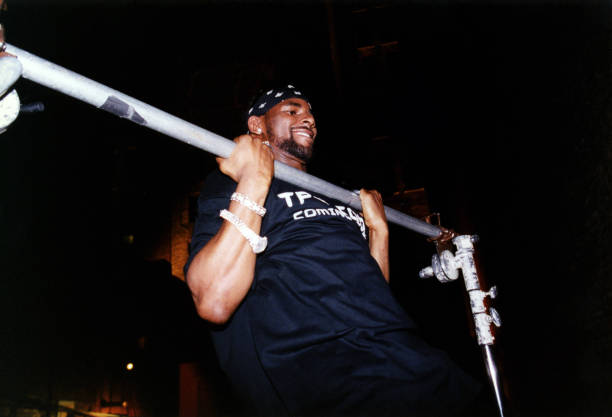
It’s funny how God works. He moved in silence and kept me hidden by people’s pride and arrogance, even now. The very thing they wanted to deny, Robert God grew strong for him before and during, in private. The gift of real, undying love and true happiness away from his fame.

After the trial in New York was lost, Robert was desperate to go home. He was exhausted — emotionally, physically, and spiritually. Around that time, he became aware that Bill Cosby’s attorney, Jennifer Bonjean, might be the woman capable of securing his release, given what she had managed to achieve for Mr. Cosby. Robert did not want to waste any more time or energy. While Mr. Cannick was sincere and endearing, Robert wanted greater security — someone with a proven track record of success in cases of this magnitude.
I was genuinely overjoyed by the idea and encouraged Robert wholeheartedly. I felt hopeful in a way I hadn’t felt in a long time. I believed this fresh start could finally allow the truth to surface — that we could at last set the record straight. Naively, I assumed that Jennifer would have integrity, that she would stand with us, and that she would be committed to ensuring Robert received justice grounded in truth. She was charming and convincing.
That is not what unfolded between Jennifer, Robert, and me.
Very early on, I began sharing our story with her (privately), fully aware that Robert himself would be cautious and restrained. He still hesitated — not because he wanted to conceal our relationship, but because experience had taught him how deeply people resist reality when it contradicts the persona they have constructed around him. He had learned the hard way that many people were incapable of accepting anything beyond their assumptions about “R. Kelly.”
So, to some degree, he went along with it. He reasoned — again, somewhat naively — that if the public could accept Hugh Hefner’s lifestyle, a man celebrated and embraced across social and cultural circles, then perhaps they would also accept the false persona imposed on him: that of a man surrounded by women, living in and out of his home.
But the truth — which anyone is welcome to research — is that Robert lived largely alone. At times, he offered spare houses or quarters to women who were fleeing abusive situations. That included Azriel Clary and Joycelyn Savage, Lisa Van Allen, K. Michelle, and others. This was not about control or exploitation. It was about help.
People need to understand something fundamental about Robert. Despite his confidence in his talent and abilities, he is, by nature and intention, a deeply humble and quiet man. He has quite literally helped save lives. Friends have shared stories of him helping a woman involved in a serious car accident, another who had been stabbed, and others as well. These are not stories Robert tells about himself — they are stories others tell because he never sought recognition for them.
Where things went tragically wrong is that he brought the wrong women into his home and space.
Robert did not understand — because no one had ever taught him — that women who come from abuse can carry profound psychological scars. When abuse begins early, some develop severe personality disorders. He didn’t know this. He is old-fashioned in many ways. If he sees someone in need, especially a woman or child, his instinct is to help. That instinct works in healthy communities — where people share values of hard work, accountability, and gratitude.
But Robert’s community was not healthy.
Instead, that God-given aspect of his character — his compassion, his generosity, his instinct to protect — was exploited. Manipulated. Abused. And ultimately weaponized against him.
This is the context that was never allowed to exist publicly. And it is essential to understanding everything that followed.
Here, I will share some of my initial messages between Jennifer and myself. You will see Jennifer telling me directly that she is “taking notes.” What people refuse to accept — largely because of her high-profile reputation for assisting people in need — is that behind the scenes, my experience with her was of someone extremely narcissistic and emotionally cold.
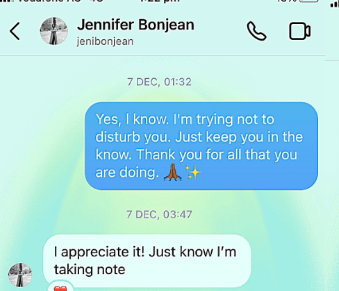
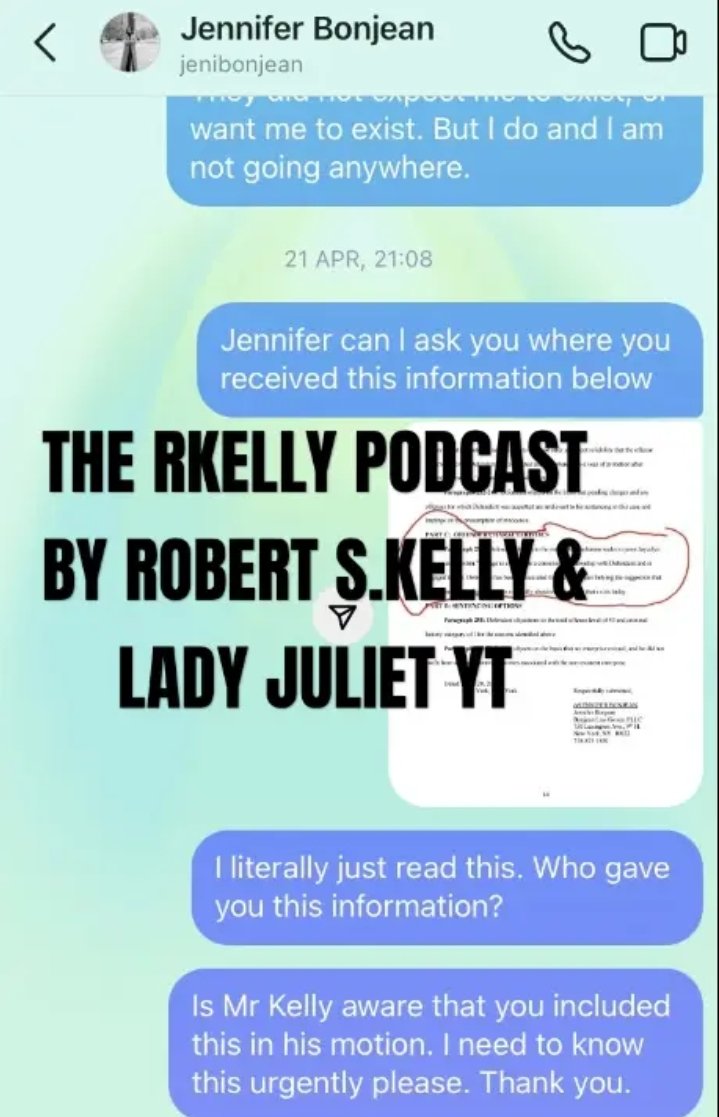
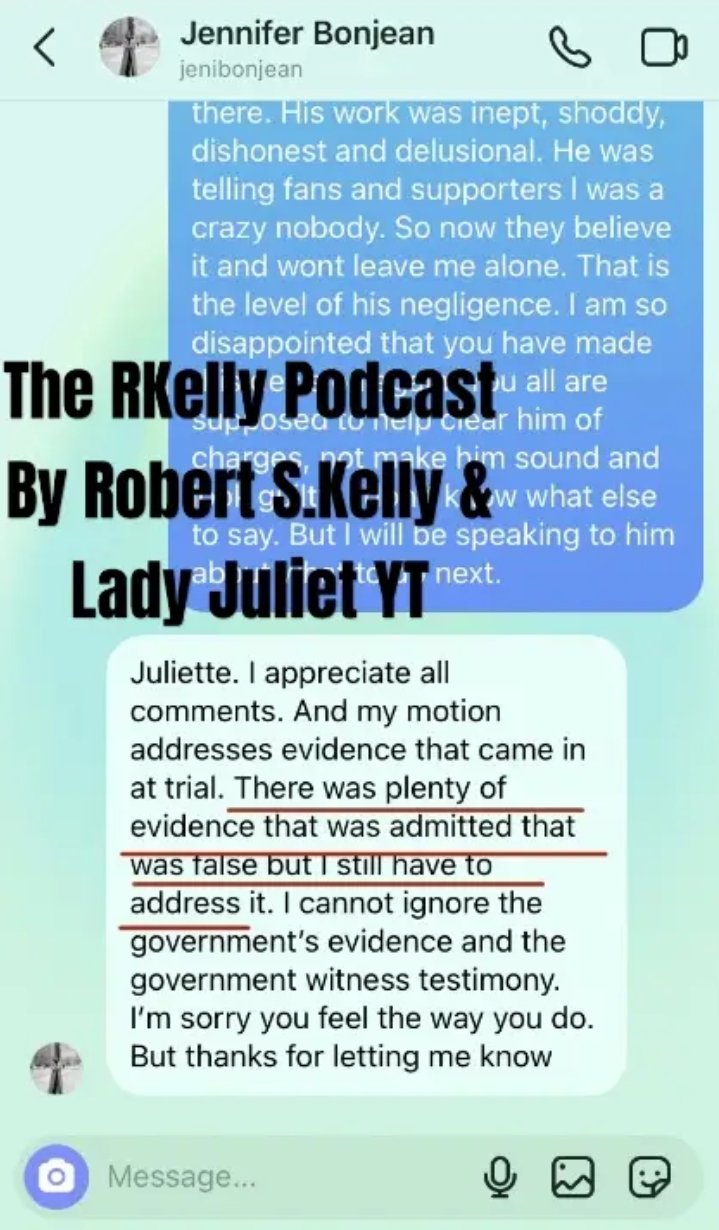
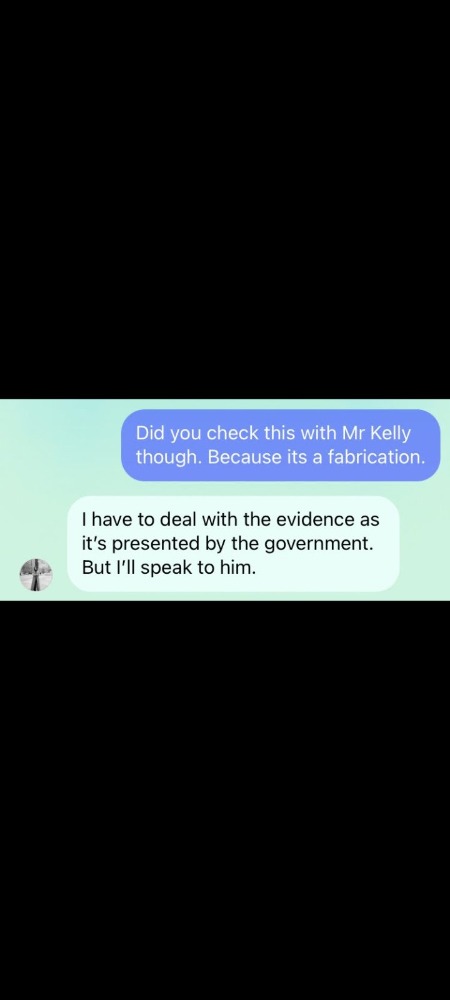
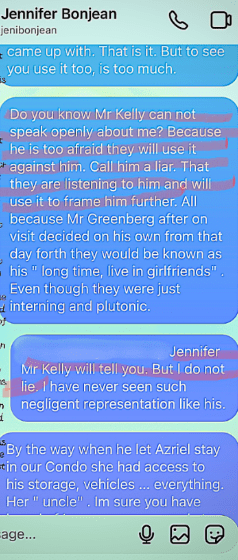
What must be understood is that Jennifer was closely associated with Steven Greenberg, the very attorney who first began the false misrepresentations on Robert’s motions and to the media. Although she formally took over the case from Mr. Cannick, in reality, she was far more aligned with Greenberg than with Robert. It was Greenberg who passed along the defense narrative and strategy, and instead of working with Robert to unravel and correct the confusion and damage already done, Jennifer simply cut and pasted Greenberg’s playbook.
She admitted to me plainly that the new information circulating — that Robert was now engaged to Joycelyn Savage — was false. And yet, instead of correcting that lie through her motions or even clarifying it directly with Robert, she went on to file motion after motion containing those very false statements.
Behind the scenes, I was livid. I fought hard to ensure Robert was included, heard, and able to have his say in his own defense. But Jennifer made it clear — implicitly and explicitly — that she wanted the world to know she was the only woman running the ship.
I came to see Jennifer as an extreme feminist personality — someone who needed control, to be perceived as a hero, who could not tolerate another woman existing anywhere near the truth of the story. Not that I ever wanted to be a “hero.” I never sought recognition. I only wanted to help free the man I loved.
She played me by presenting herself as kind and principled, and because that was the public’s belief about her, it once again became impossible to get people to accept what was actually happening: that Jennifer was knowingly putting false information into Robert’s legal filings — information he never gave her and never approved.
In our messages, Jennifer admitted that she received the false claim about Robert being engaged to Joycelyn Savage from a government agent — and she ran with it. Even after everything I disclosed to her, without verifying it with Robert or even speaking to him, she included it in his pretrial motion.
I was willing — ready — to testify, to submit evidence, to do whatever was necessary to finally clear Robert of these lies. And yet, once again, here I was facing another attorney willing to use lies to fight lies.
After I confronted Jennifer privately about the corruption in her motions, she chose to cut off communication with me entirely. She knew exactly who I was to Robert. She did not care how that would affect him, her own client.
Robert was being excluded from his own defense. Motions were being filed that he had not seen, had not approved, and had not even been told about. Meanwhile, Jennifer publicly performed concern and compassion — posting videos of her firm’s visits with Robert’s music playing in the background, projecting an image of care while doing the opposite behind closed doors.
By this point, Robert was defeated.
His mindset became: whatever gets me out of this hellhole and home — then we’ll figure out how to explain everything. He was out of options. He did not have the finances to hire another attorney. He was already post-trial. He was exhausted beyond words.
That exhaustion weakened his resolve to stand firmly in his own truth.
At the same time, he was receiving floods of letters from supporters describing how witnesses had been turned against him before trial. He was told that a prominent blogger had been involved in stealing his emails to Joycelyn Savage — emails sent when he was desperately trying to secure a bond under Steven Greenberg’s condition that he would have to live with Joycelyn Savage to be released. None of the content was ever real. Robert was concerned about the conspiracy and corruption of it all and how it affected the outcome. He just wanted to get home so he could work and defend his reputation, life, and freedom.
Robert began to believe that if he could expose the second-hand fraud and conspiracy — the corruption itself — then perhaps the courts and the public would finally pay attention to what had truly happened from the beginning.
Meanwhile, I only wanted him home and alive. I wanted to keep him going.
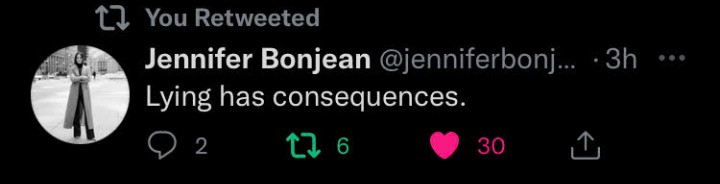
I was completely drained — emotionally and spiritually — and deeply hurt by supporters who continued to spread false narratives about me, accusing me of being insane, attention-seeking, or delusional. Even after I posted evidence — conversations, messages, Jennifer’s own admissions that the information was false and that Robert had not been involved in drafting his motions — people still sided with Jennifer. Some even accused me of bullying and harassing her and Steven Greenberg.
No one cared — or even attempted to understand — what Robert was enduring.
He was being forced, late in the process, to go along with a false narrative that he was engaged and in a relationship he was not in — simply to survive the process and get home. His reasoning was tragic but logical: if the courts could just acknowledge that the cases were corrupted at their foundation, he could be released — and then, once safe, we could tell the truth.
Until then, he was not safe.
Compounding all of this was his very real fear that if Joycelyn Savage discovered my existence, she would turn against him. By then, the public and the courts fully believed she was his fiancée. Any accusation from her — true or false — would have destroyed any chance of exposing the corruption and would have been blamed entirely on Robert.
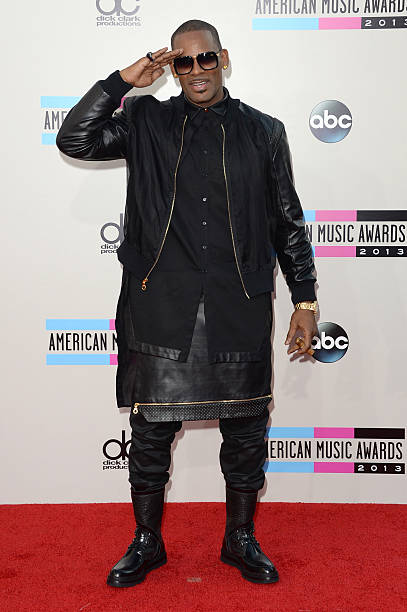
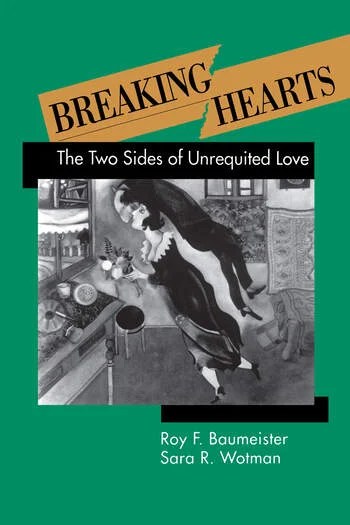
What people refuse to understand is that, beyond the false incarceration, Robert has been forced to pretend — to fake relationships with women he desperately wanted out of his life because of the poison and danger attached to them.
They do not want to hear that Joycelyn Savage created much of this by making false claims to her family that she was intimate with Robert — behind his back — leading to blackmail, slander, accusations of control and abuse, and ultimately Surviving R. Kelly. (See my blog post about that).
They do not want to hear it.
In a small way, I now understand how Robert feels — when you try to tell the truth, when you present evidence, and even those who claim to be on your side refuse to hear it because it contradicts the self-serving narrative of someone deceitful and narcissistic, who is determined to control the narrative.
There is far more I have not included in this part. My purpose here is simply to help people understand why Robert has pursued legal action against the BOP and the blogger involved, and why there have been statements attributed to him that appear inconsistent with reality. Basically, why we are here.
People do not hear Robert. They hear only what they want to hear. People need to look and listen beyond the surface and superficial, and care about evidence, authenticity, and truth beyond being perceived as right.
I am publishing this too because I believe — deeply — that the truth sets us free. And I know this: if Joycelyn Savage ever attempts to make false allegations now or in the future, there is already more than enough evidence — from my five years of letters to Judge Ann Donnelly, to my communications with Jennifer Bonjean, to our blogs, our videos, to our records, and to Robert and me together — to protect Robert.
And if she ever does, I will respond without hesitation.
This account exists to keep Robert safe — to ensure the truth is everywhere. The rest will be directed to federal officials under President Trump for full investigation and accountability of all involved.
I trust and know that the God of truth and justice has already answered our every prayer!
J.
 Love Through Fire...
Leave a comment