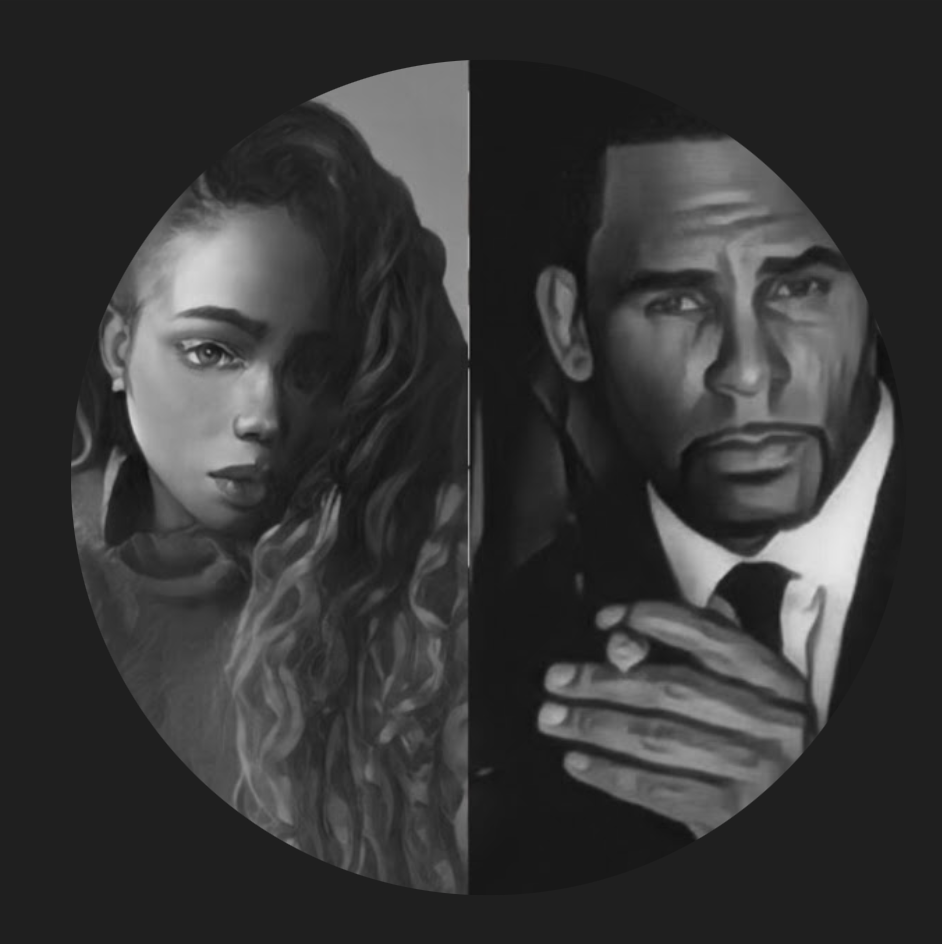
Matthew 18:6
If anyone causes one of these little ones—those who believe in Me—to stumble, it would be better for them to have a large millstone hung around their neck and to be drowned in the depths of the sea.”
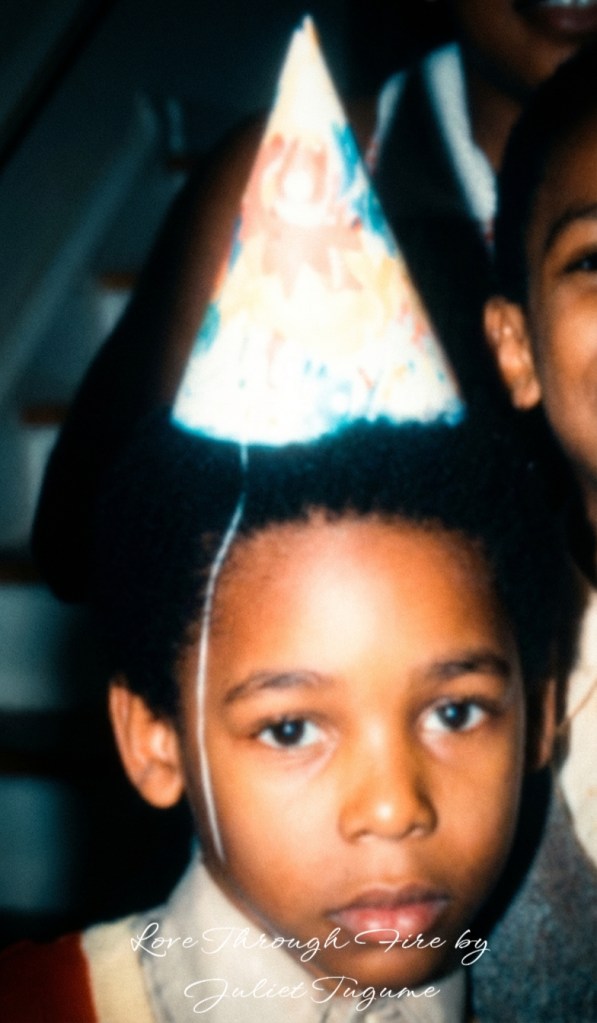
This ones a long one, a delicate topic, but a very important topic nonetheless. So, grab a cup of coffee or tea and settle in. This will take some time. I have included some important legal notes and images in between to provide context and a deeper understanding of my statements and his story.
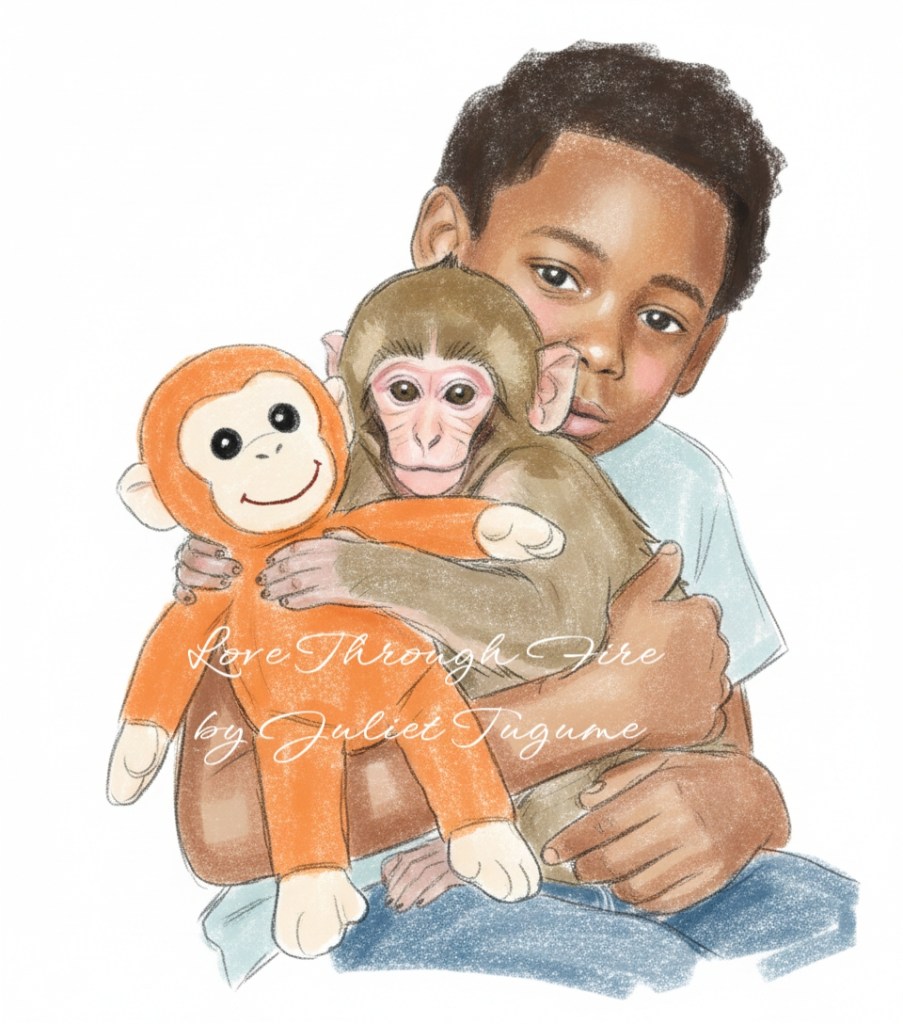
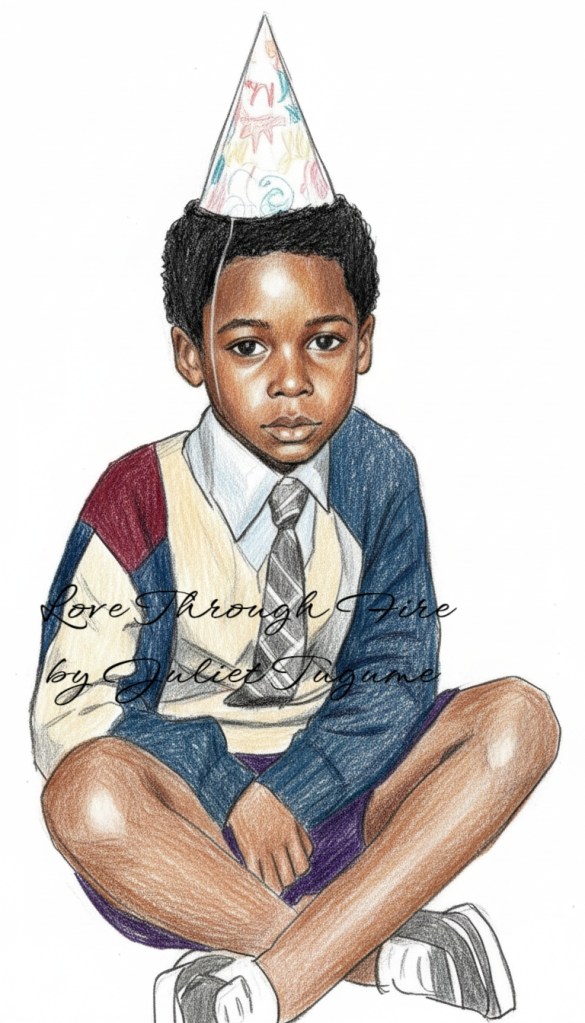
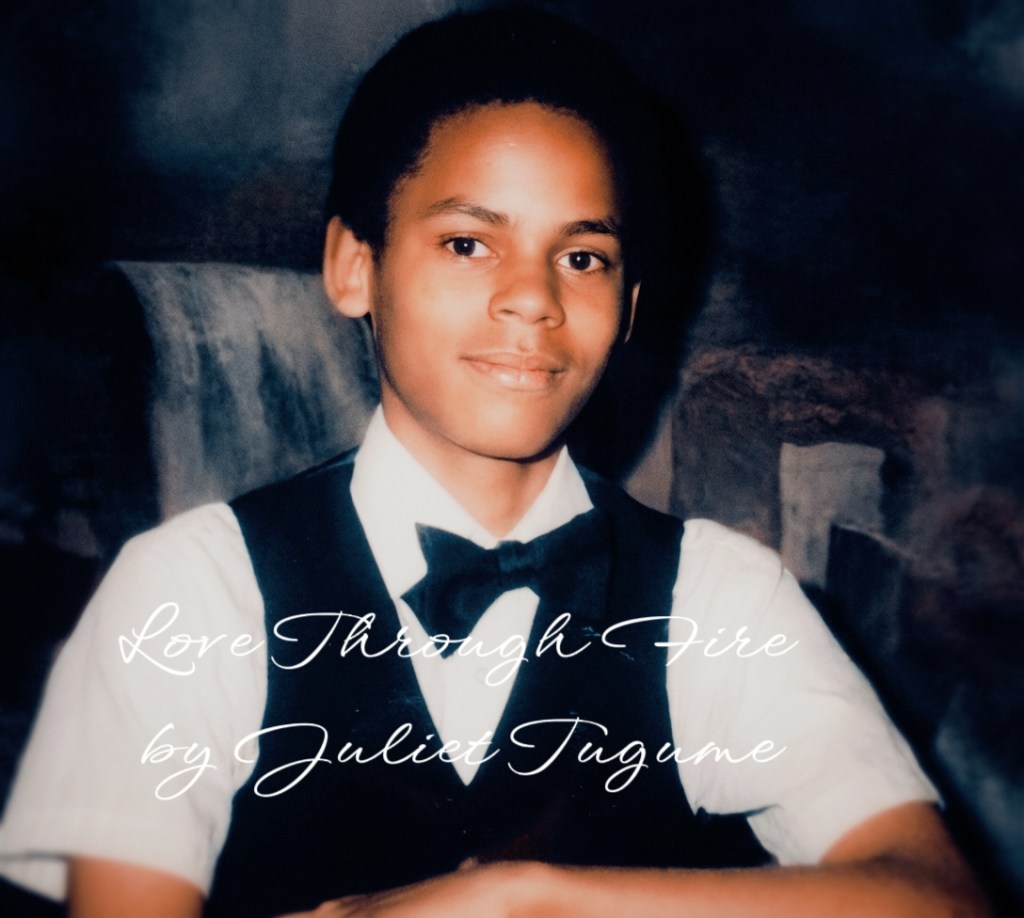
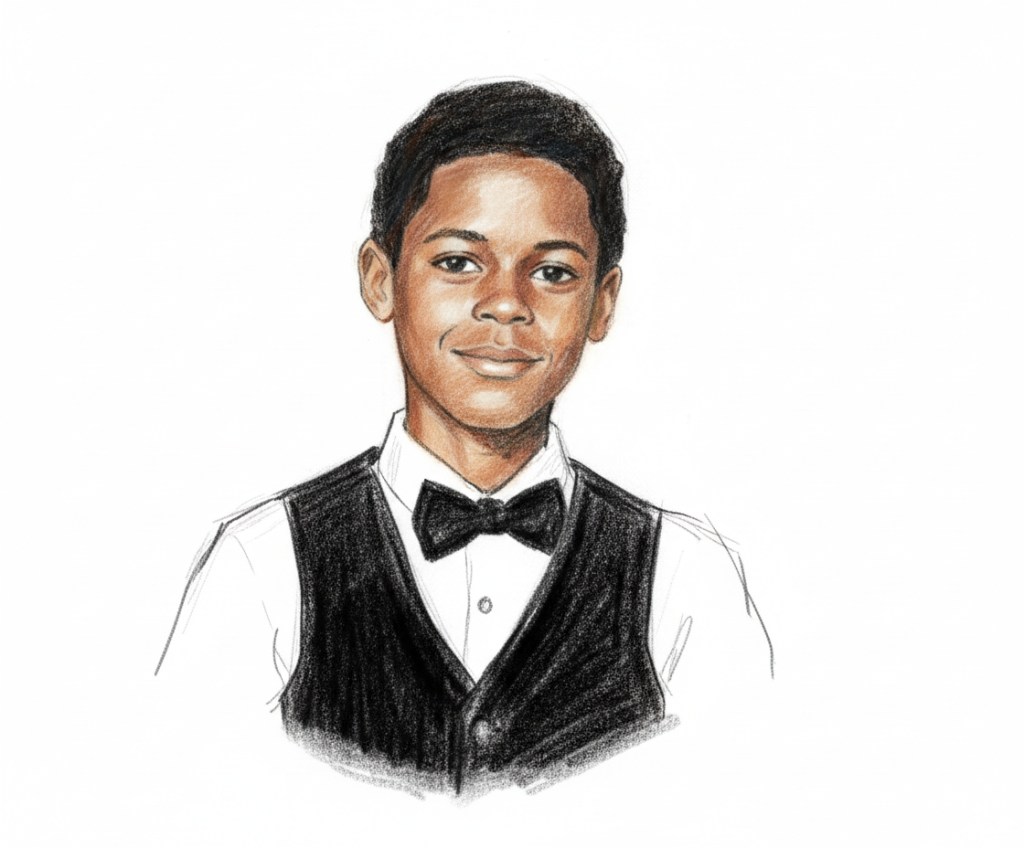
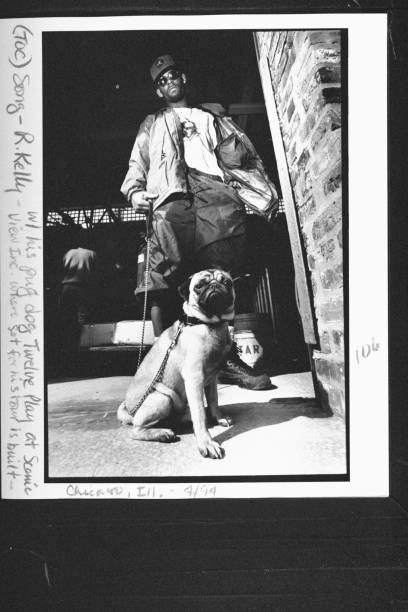
Where shall I begin… In January 1967, a little boy was born on the South Side of Chicago. His mother named him Robert Sylvester Kelly, not knowing that the meaning of his name was “the famous, bright, wild, war-warrior.”
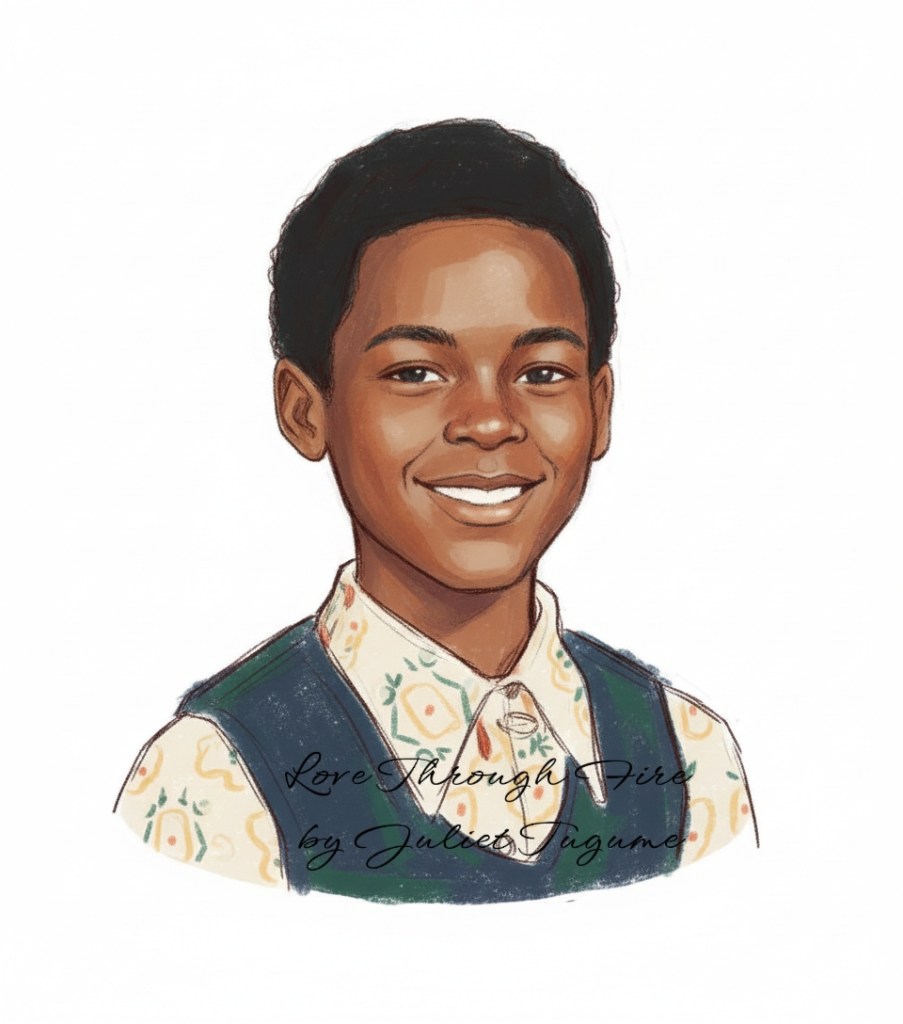
No one knew that he would grow up to be a child prodigy, or that people would one day call him a genius. He was shy and quiet, yet inquisitive and sweet. He adored his mother, and they shared a special kind of bond — something becoming rare these days, as distance grows between families, and especially between young boys and girls, women and men. People have even made fun of it, the idea that a young boy could love and adore his mother so deeply.
This is not the beginning of the man the media has created. Boys who have healthy, loving relationships with their mothers often grow up to have healthy relationships with women. This has been my experience with Robert, who to me is pure love — deeply kind, incredibly strong, wild as his name reads, yet brilliant and wise. Though sometimes even our own wisdom can be hard to apply in our lives.
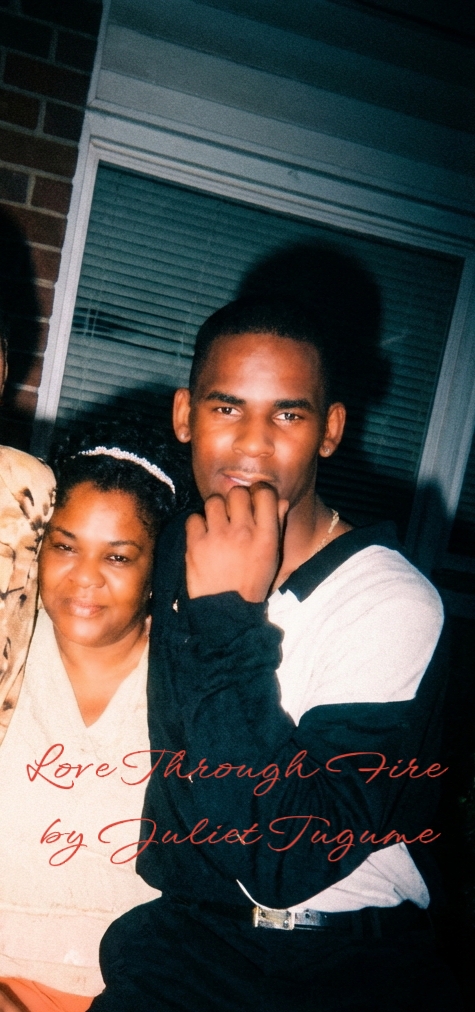
Robert had a sister and two brothers. He has no other siblings, and his father left when he was born. Though his mother’s name was “Kelly,” this was not his father’s name. Any claims otherwise should be disregarded.
His home life had some instability — lots of fun, but also not one where he was constantly watched or cared for. That left room for evil to take advantage of him in his childhood, which sadly it did, in the form of a young woman and then other much older women.
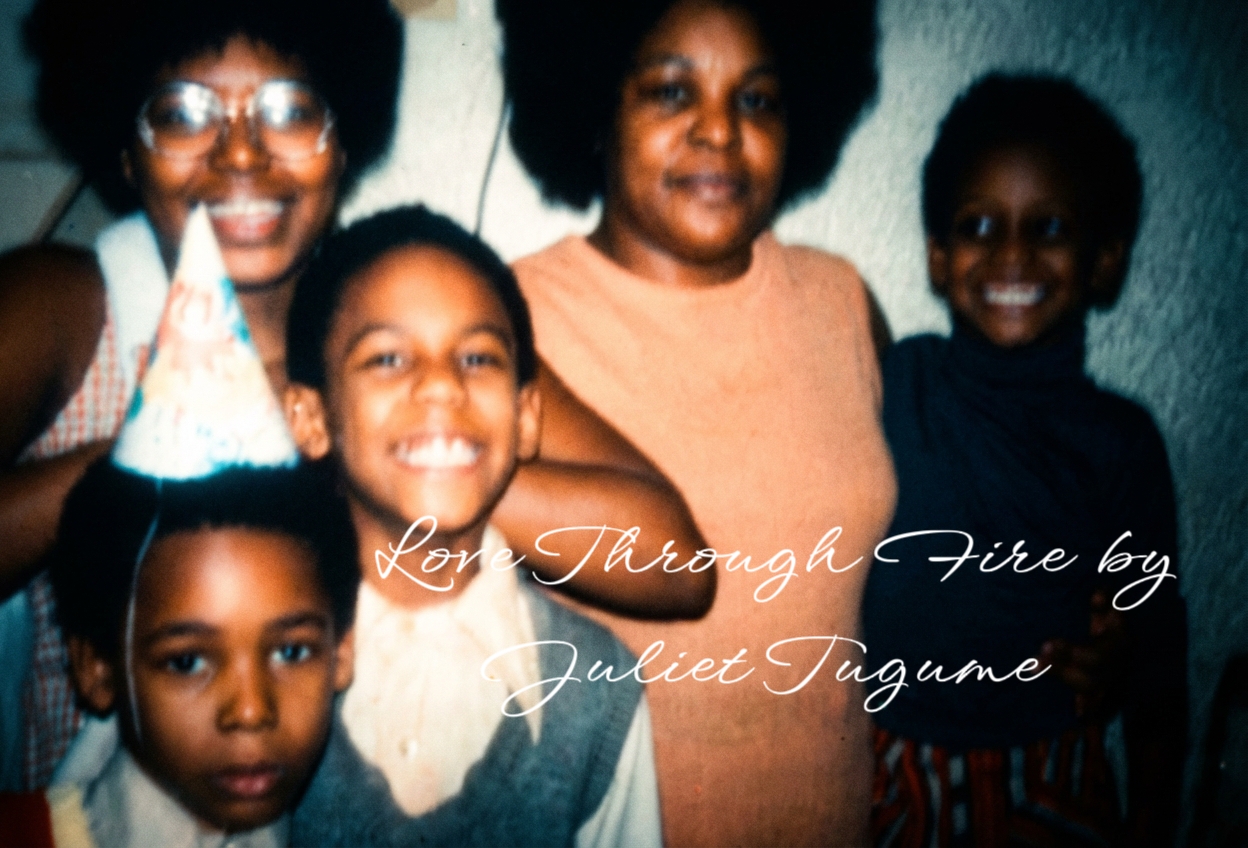
Young boys are often told to see this as a victory, something to aspire to. But do those who say this truly understand the mind of a child? Children do not process sexual experiences with the same perspective, emotions, or reasoning as adults. They have no real knowledge of sex, no understanding of what it means. For young boys like Robert, it would be nothing short of horrifying, confusing, debilitating, and deeply saddening — especially when it comes from someone they trust completely, someone with whom they once shared a pure and loving relationship.
(Going back in time to 1972)
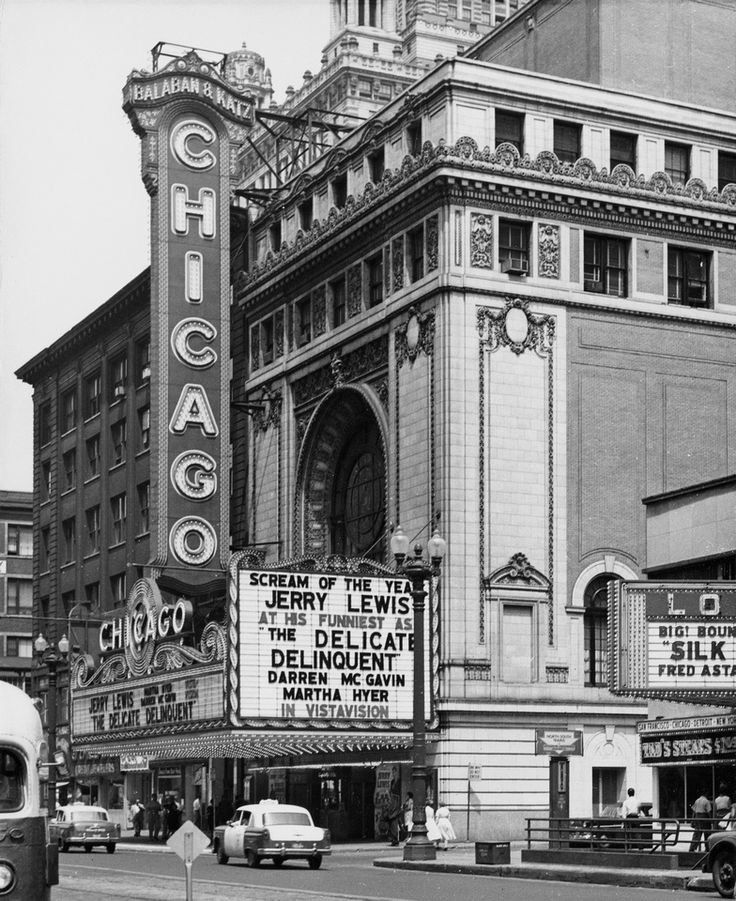
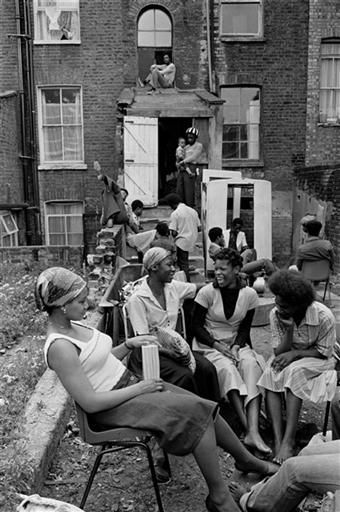
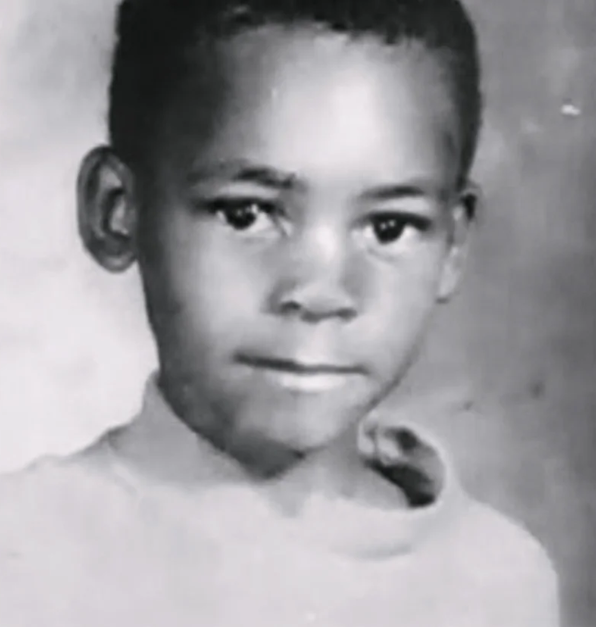
This is maybe the hardest post I have had to write, but one that was so crucial to Robert’s story, because at the heart of all the allegations is the assumption that he abused women and children, the most vulnerable in the community. I say assumption because he was assumed guilty based on stories alone and not on evidence. They used trickery in court and every underhanded method they could.
The prosecutors Elizabeth Geddes, Nadia Shihata et al., along with the opposition’s crooked attorneys (e.g., Michael Avenatti, a convicted fraud) were masters of human psychology and manipulation, but nothing else. They understood the fragility of human beings — that people could be emotionally made to feel obligated to act in line with their charges. They fed the media who were hungry for MeToo and R.Kelly stories, stories of “many tapes,” of the women’s stories. But they concealed their desperate need to find bad stories from any “enemies” to use against him in court as a substitute for their lack of evidence.
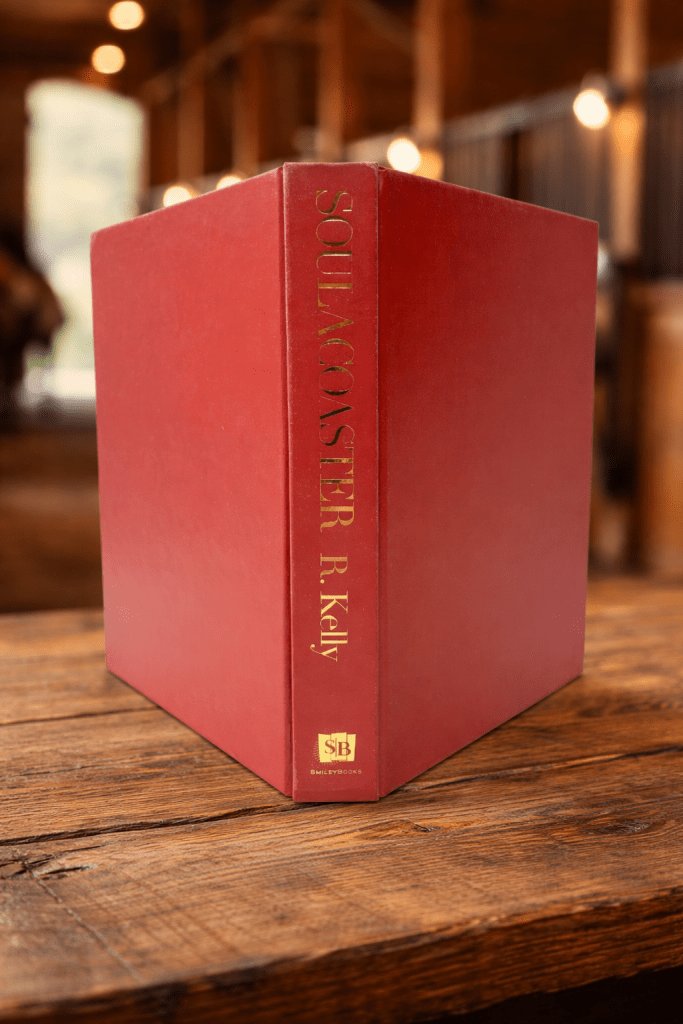
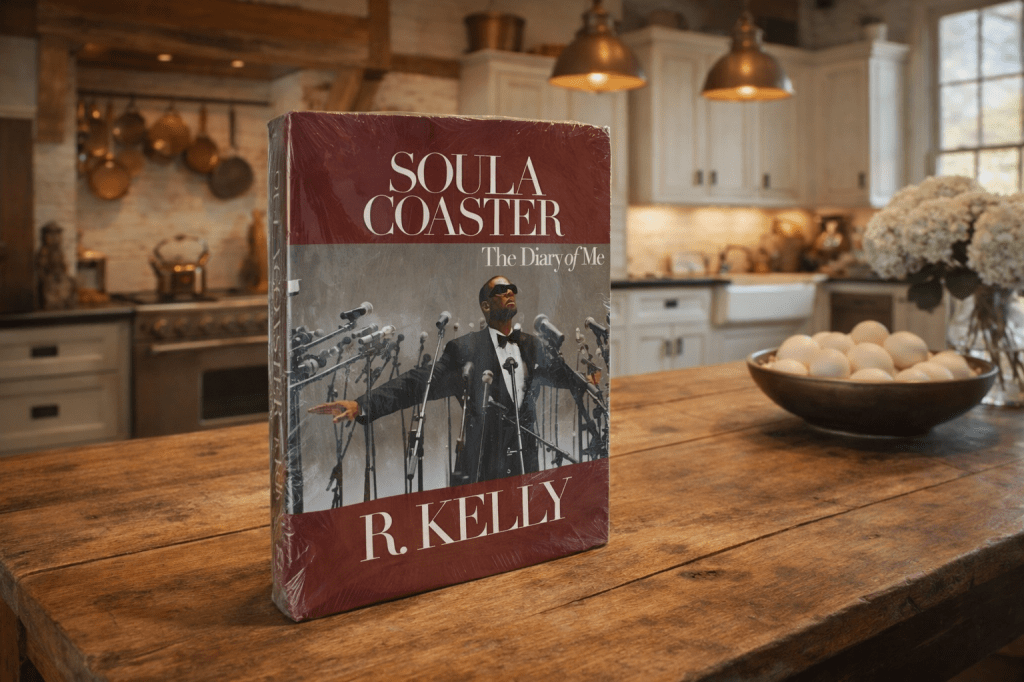
From the crippling learning disorder that rendered him unable to read or write, to the teacher-mentor who prophesised that his destiny was in music, not basketball, we follow his evolution from Chicago street performer to struggling LA musician and beyond. Kelly reveals his hard-won ascent to superstardom and his battle to move forward after legal and personal ordeals that nearly ruined his life. Now back at the top, Kelly recounts the journey that has taken him to new heights of maturity and artistry. Part memoir, part keepsake, Soulacoaster unlocks the door to R. Kelly’s story as only he can tell it, promising his fans an intimate and unforgettable ride.
They raided his storage, studio, and condo and found no evidence of any abuse — not of children or women. So they chose to twist reality and the intentions of everything he did to point to their horrendous charges. It was psychological manipulation, and they knew that most people would act not from justice — their fair adjudication of the law after viewing evidence and using common sense — but from emotional triggers and social pressure to act in step with them.
The jury pool was already completely contaminated by the documentary, and Judge Ann Donnelly’s denial of this reality only showed her early signs of extreme bias and would end up being her ongoing attitude towards Robert and the cases. Every now and again, she would throw Robert a bone, almost in an attempt to protect herself from looking completely biased and with her conclusions already solidified.
This is where I briefly say that I am one of the few people who have experienced first-hand how Judge Ann Donnelly operates. After watching a video of Donnelly suggesting that she once helped a man who was falsely accused, after finding out that he was innocent, I thought maybe she would be the perfect person to write to with our plea for real justice. Being in denial of her bias and potential to overlook evidence, I wrote to her for over 5 years.
I sent fax after fax, pleading with her intervention against Robert’s own attorneys, who were implicating him by falsely claiming that he was and had been in a romantic and sexual relationship with his interns Joycelyn Savage and Azriel Clary. I offered her dates, conversations, letters, and even to sit down with Robert and get it straight from him. But she ignored all my documented correspondence and never made mention of my letters or the evidence of his innocence, our relationship. She instead continued on as though nothing happened.
But I must get to the root of this post and story. The story of a young boy, Robert, who was viciously abused as a child by a very close female family member, and then by other older women who passed through. He was 5 years old when she started to use him for her sexual pleasure. She was around 15 years old, and he was left defenceless and trustingly in her safe care many times when his mother needed to go to work.
This was not raised with empathy for the little child Robert was and what he endured. Instead, it was spoken of as many speak of and deal with such stories of boys who are sexually abused, especially by women. Because nobody wants to say it, but they assume young boys, no matter how young, must enjoy it — even desire it. That they don’t share the same vulnerability, innocence and trauma from such horrible experiences, but instead they will grow up to be men who have experience, and Robert sure did grow up to be a man with a lot of experience.


But no one seemed to connect the dots like I did and see that his allowance of women touching him, being with him, being around him — women who didn’t deserve it in any manner, who he should have outright refused and rejected coldly — was just a response to his years of being fed conflicting messages about manhood and his history of sexual abuse by women.
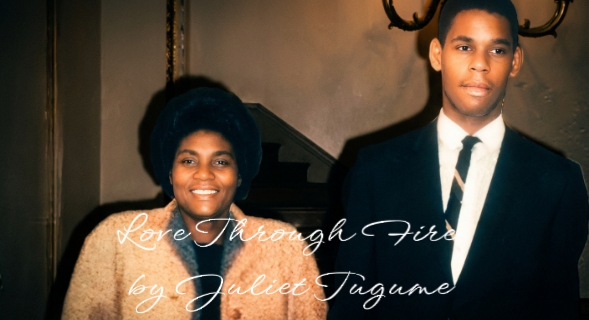
Robert wrote about the groupie phenomenon and how he got caught up in it at a young age in his book, Soulacoaster. In the music world, groupie devotion was often romanticized as part of the “rock-and-roll lifestyle” — wild, free, glamorous, and rebellious. The culture normalized it — movies, magazines, and music itself portrayed it as exciting and harmless.
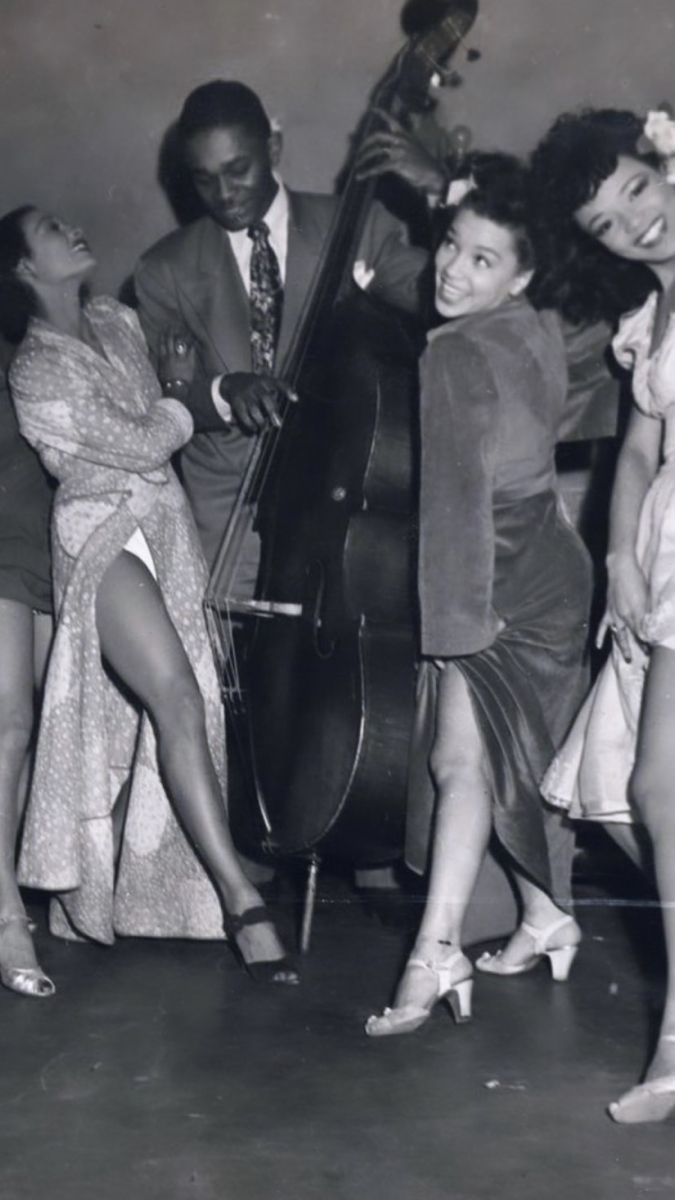

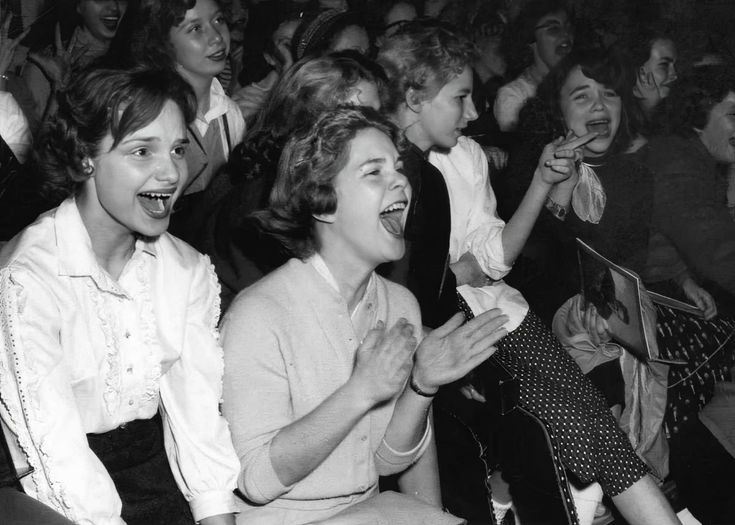
Sometimes, when artists set boundaries or reject groupies, it can bruise egos and create feelings of embarrassment, rejection, or anger (as is the case with Robert and the women involved in Surviving R.Kelly). In that emotional space, a few people may try to regain power or sympathy by reshaping the story — exaggerating events, or in rare cases, making accusations that aren’t true.

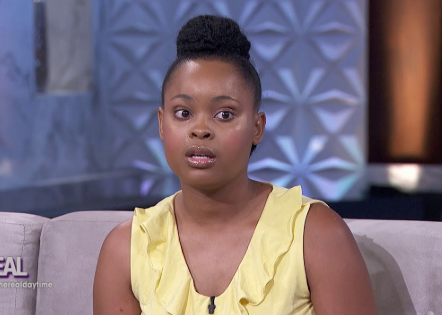
Legal Notes: 1. Repeated advances and stalking behaviour
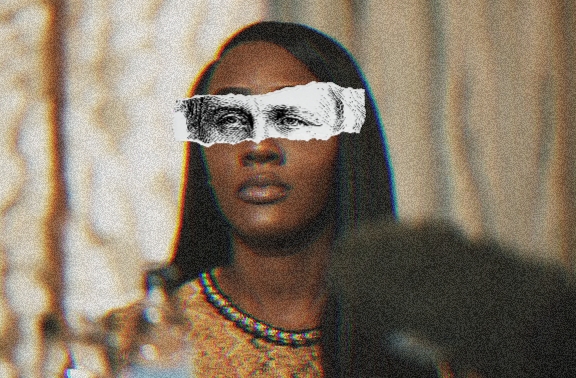
Over several years, Azriel Clary (featured below), Jerhonda Pace (featured above), and Asante (featured in the SRK doc; no. 5 in the SRK image far below). Repeatedly pursued Robert from city to city, following his social media to find out where he might be seen and positioned themselves near him intentionally.
Based on messages and interactions presented in court and stated by family members of Asante, Robert rejected their advances consistently and made it clear he was not interested.
When it became clear that a romantic/sexual relationship would not happen, these individuals attempted to pressure and coerce Robert into a relationship. When this failed, they escalated behaviours to false allegations.
2. Evidence of instability disregarded
Information provided by family members and associates indicated serious mental-health concerns regarding at least AC and JP.
Despite being available, this information was not permitted into court records (by Judge Ann Donnelly).
3. Azriel Clary. internship claim vs. documented intent
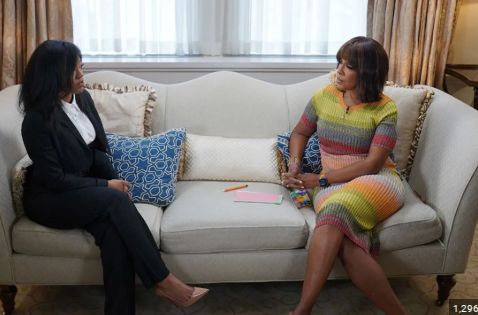
A.C. told Robert she sought only an internship to learn the music business.
However, text messages between A.C. and her mother show deliberate planning to secure a romantic and sexual relationship instead.
Robert repeatedly told A.C. she was not mature enough and showed no interest in her and declined her advances, over many years.
Although this was read in court, it was portrayed in a way that misrepresented Robert’s position and implied he eventually agreed, despite A.C. writing privately that Robert was “never interested, no matter what she tried.” Also, both her and Joycelyn Savage had not seen Robert in over a year. This was documented in a small documentary called Precedence (made during and after his NY trial period) with Azriel Clary, where she admits to the last time she “spent time with him.” Having calculated the date of the documentary and the date of the video she referred to, I worked out that it had been over a year. This is evidence that Robert had nothing much at all to do with both women, despite what his attorneys claimed in court and court documents or the prosecution. They didn’t live with Robert and never had. Nor did they ever have a romantic or sexual relationship with him, despite the government’s false claims and his own attorney’s. Robert was later forced to go along with these false claims because he had no financial means to change attorneys and was at the appeal stage by this time, with the lies repeated over the years by both Steven Greenburg and Jennifer Bonjean.
4. Misrepresentation by legal counsel
Robert’s attorneys (excluding Cannick) publicly and legally mischaracterized A.C.’s situation, claiming she lived with Robert and had a long-term relationship with him.
This narrative was created to suggest that if their relationship appeared romantic, serious, loving and real, it would disprove abuse allegations. But also, it was to keep A.C happy. Because of the volatile nature of her character during his NY trial. She was trying to pressure Robert into a relationship, no matter how fake it would have been. She simply wanted the public to acknowledge her as his girlfriend, holding Robert hostage because of the false claims on his indictment that he had been intimate with her whilst she was underage. Robert was cornered and completely alone (except for me). I tried to counsel him from a distance, but it was impossible to get his attorneys to listen to him or me.
This strategy also misled A.C. and J.S., encouraging them to believe a relationship might exist, at least in an imaginary form — at least publicly. Placing Robert in danger of more false allegations of abuse, should they find that the relationship was never going to happen.
5. Attempts to correct the record
Robert and I attempted to correct false statements and terminated the attorneys responsible.
Another attorney then continued the same narrative, originally advanced by S.G.
Robert was unaware of much of what was being said on his behalf due to limited access to counsel, filings, and finances, which I attribute to restrictions approved by Judge A.D.
This mismanagement and disregard for documented truth significantly contributed to the perception of guilt and subsequent outcomes. During this entire period, Robert was in a long-term, committed relationship with me, and counsel had been notified repeatedly.
Statement of intent
This statement reflects documented communications, court records, conversations, and firsthand events that I personally witnessed or reviewed. It is provided to support further investigation into the conduct and motivations of the individuals referenced above.
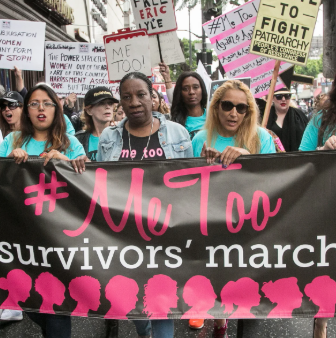
MeToo never addressed this; they focused entirely on women and women’s experiences. A claim that all women should be outright believed left opportunity for sociopaths like those on Surviving R. Kelly and at his trials to make up stories about Robert’s intentions, actions and character to later cash in.
MeToo wasn’t concerned about this and was completely disconnected from his and other men’s reality of being vulnerable to attack for their past rejection of the women they rightfully denied access to. Consent was discussed as something that only women had to navigate, with the assumption that every extremely successful man was power-hungry, manipulative and had an ulterior agenda to exploit and manipulate the vulnerable. That was the undertone of their messaging that brainwashed the public into mistrust against every successful man that happened to have a certain social power, even those like Robert who never sought power but sought recognition for his genius, God-given talent.
Their reality was completely off. They lacked being genuine and really wanting to help real victims at the grassroots level; they were fixated on “getting” high-profile celebrities like Robert and making an example out of them to push their organization’s agenda and collect money from wealthy donors, rather than true justice: finding out the truth, assuming innocence and allowing for due process, while encouraging real victims to report their incident privately to an authority. Victims like the little boy Robert, who were being assaulted in their homes, where they should have been safe — where almost all abuse takes place, seemed not important at all. Or of women abusing and targeting men for money, advancement and social standing. Sometimes hunting down successful musicians like Robert from city to city, perfecting their stories and schemes over many years, sometimes with their family members in tow, then using the legal system as a weapon for rejection, retaliation or reward (legal abuse).
There was no warning that there would be men and women of unscrupulous character, both young and older, who may use the opportunity they created for financial gain. Instead, they used high net worth and famous targets to push their agenda and the false perception of justice, to ease the public’s outcries and desperate need to eradicate abuse of women and children. There was no presumption of innocence, human rights for these men, or due process.


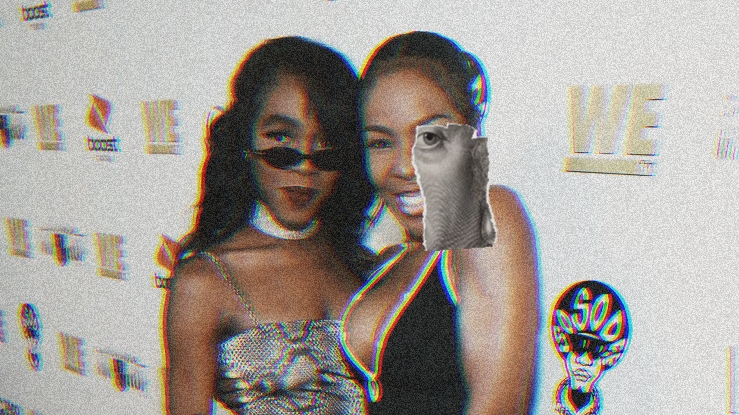
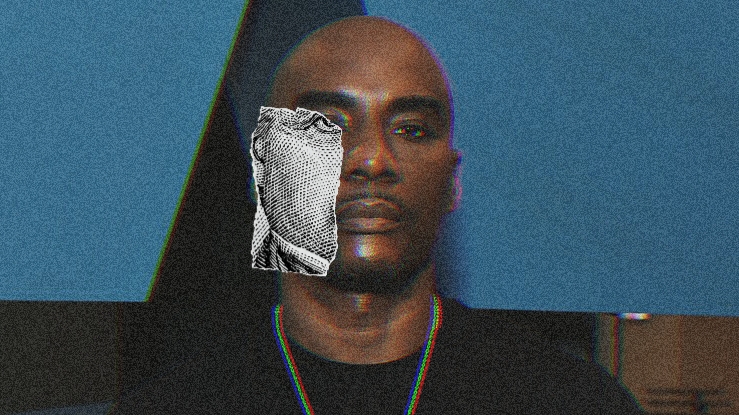
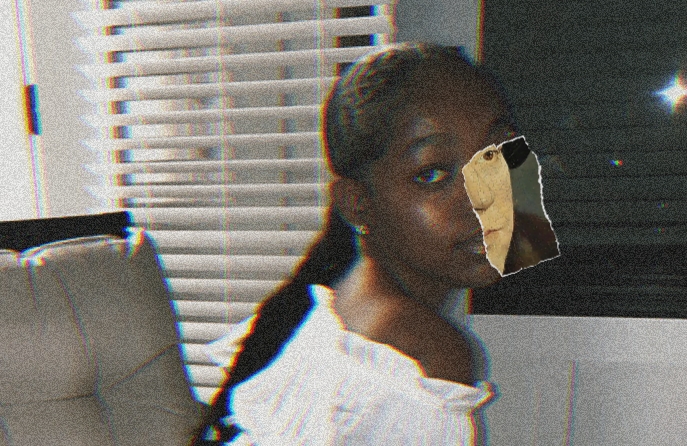
Note: Men who come from childhood abuse by women can have difficulty labelling it as abuse
Because society often frames women as caregivers and victims, men may struggle to say:
“She abused me.”
They fear being laughed at, disbelieved, or blamed — so they redefine the experience instead of naming it.
Why are sociopathic/psychopathic women & people harder to spot
People with high manipulation traits often:
- mirror what the victim needs
- move fast in relationships
- isolate the person socially
- use guilt, fear, or pity to control
- appear charming and harmless
If someone grew up with manipulation dressed up as care, these tactics can feel “normal,” not alarming.
Boundaries never develop well
Healthy boundaries are taught.
Abuse teaches the opposite: your boundaries don’t matter.
Later, men may struggle to:
- say no
- walk away
- notice red flags
- believe they deserve to be treated well
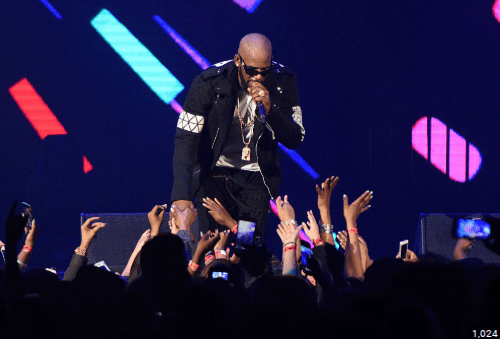
They were seen by the public as deserving retribution for their “sins” of immorality or, in Robert’s case, being a product of a very unhealthy industry that used men like Robert and his prowess, attractiveness to women, fame and genius for their own gain. MeToo never discussed how, even at young ages, some women are taught to seek out and pursue men for wealth, success and even sexual experiences (to say they were with someone famous like Robert). That the issue of abuse is complex and complicated, and that there are many forms of abuse, many ages of abusers and that both genders can be victims and abusers.
It was implied that only women should be believed, and if people refused to go along, they would be labelled with horrible, character-crippling terms like rape apologists, pedophile protectors and all such. Truly good people who understood that abuse is a complex issue, and that the wealthy are easy targets, that women lie as much as men, and that justice should follow due process, were demonised, ostracised, ridiculed, cancelled and punished for not agreeing with the mob and with MeToo.
Meanwhile, real victims of human trafficking and abuse were neglected by the DOJ, by the public and mostly by MeToo. Little boys like Robert rarely ever get to tell their story, and when they do, it can come with a burden of having to just bear it, especially if the abuse was at the hands of a woman or women.
That’s why Robert didn’t shout abuse, or that he was the target of sociopathic, legal abuse and exploitation. Because Robert is the strongest person I have ever known, without exception — and in this world you are not allowed to be a real man, masculine in every way yet also vulnerable to dangerous and wicked people who use the power of numbers, the weaknesses of decision making during times of public outrage, other people’s trauma and other people’s empathy for their own selfish gain.
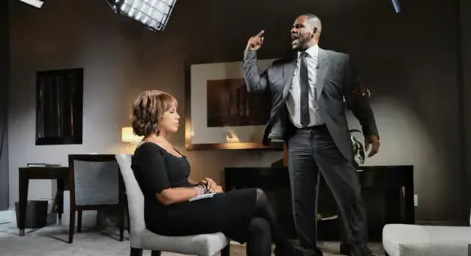
The prosecutors lied repeatedly about Robert’s character and intentions, which almost always are pure — purer than most people in this world. No one can imagine what it must be like to be a real victim of childhood sexual abuse by women, to grow to be a protector of the vulnerable (even if misguided in who he protected), to be accused of becoming like those who hurt him as a child and took away his innocence.
Robert’s scars didn’t show up like those who become what they hate. Instead, they showed up as being overly empathetic towards the vulnerable (opening himself up to malevolent people) and even self-sacrificing himself and his life to protect the honour, lives, and freedoms of women.
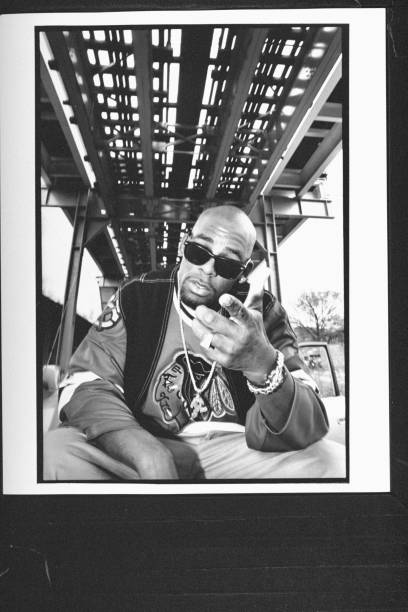
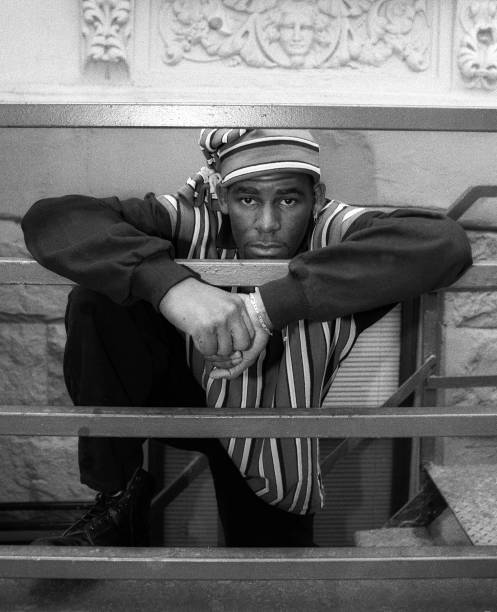
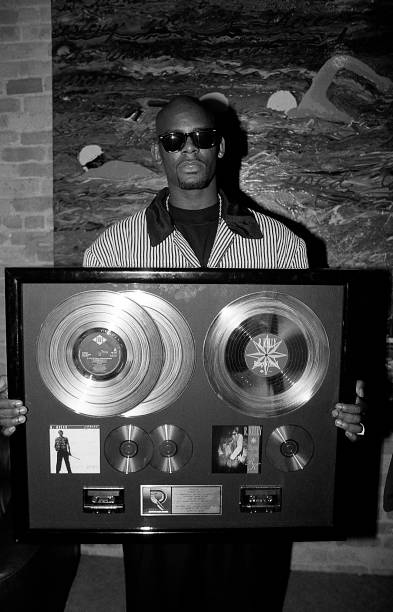
That was the story with each of the major cases they used in court against him. Where they accused him of abuse, there was no intimate nature to the relationship at all. He was always trying to go above and beyond in protecting women from situations of abuse by others. He found himself the target of false allegations e.g., with Aaliyah, Azriel Clary, Joycelyn Savage, Jehonda Pace, Reshona Landfair, for example (See my previous blog posts for the real story behind the false allegations surrounding these women and his daughter, Joanne Kelly, as well, with dates and real evidence).
This was made far worse by having unscrupulous, inept and unethical representation in court that didn’t ask him for his side of the story but instead made the same assumptions the public made — implicating him as guilty just by the suggestions they made and false misrepresentations they made on court documents. Refusing to tell the truth, see the truth and share the truth with the public.
With one attorney smearing Robert as foolish while falsely misrepresenting his relationship with Azriel Clary and Joycelyn Savage to the media and court, and another feminist, Democratic-leaning attorney calling some of his actions “abusive” in court filings — when Robert doesn’t have an abusive bone in his body.
You would find it hard to get him to hate anyone, retaliate with violence against anyone or have bad intent in general, even against his most vicious attackers. That’s not to say he doesn’t get rightfully angry — even livid — in normal circumstances. He is not in the least a weak man, a pushover or a man who doesn’t stand up for himself to defend himself. But even these traits can be construed as abusive by ill-meaning people.
Our relationship of many years, though private, was so vital for his defence and in telling the story of his innocence. Because it gives people the perspective they need to have of his true character, true and real treatment of women — what really stirs his heart, mind and even body — and overall the kind of man he is.
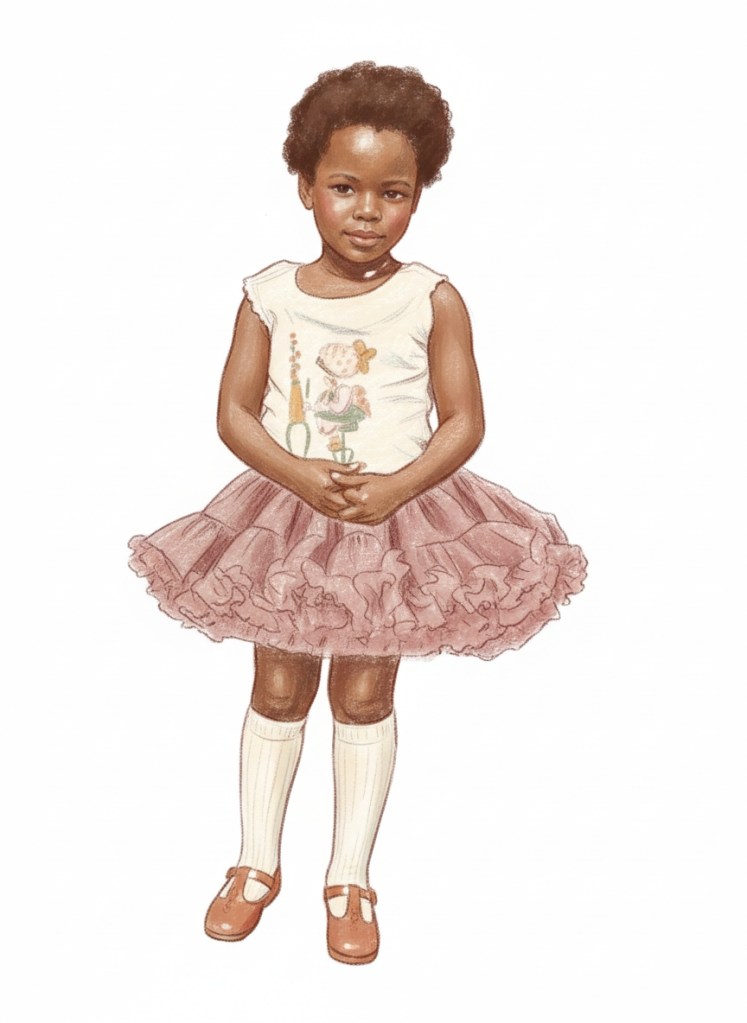
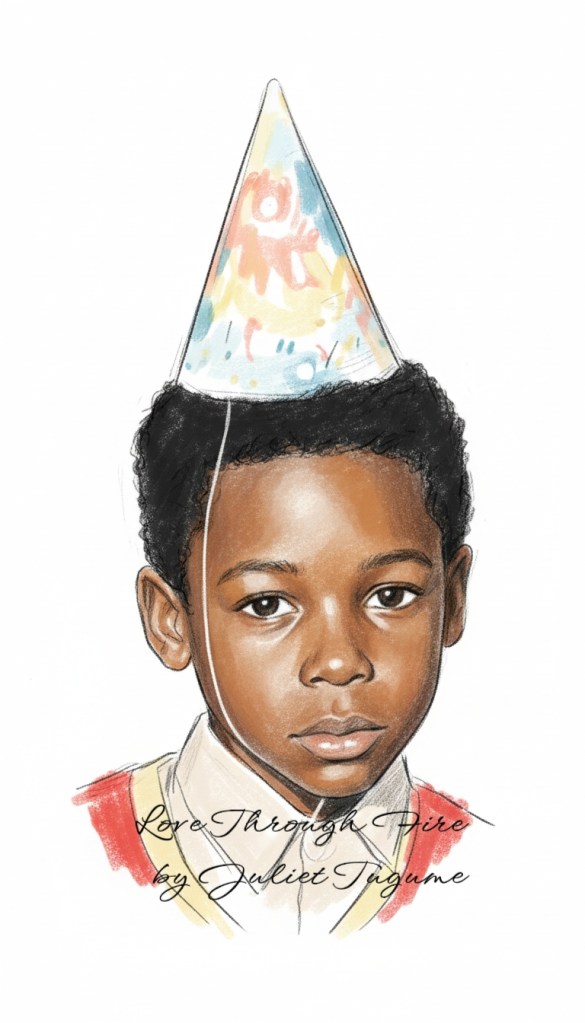
He is a dream; he is beautiful in the manly sense; he is at times even just overwhelmingly awesome. This is the true heart of why what happened happened to him. Too many women falling head over heels for a man far out of their range, or who wasn’t interested in the end, or even beginning.
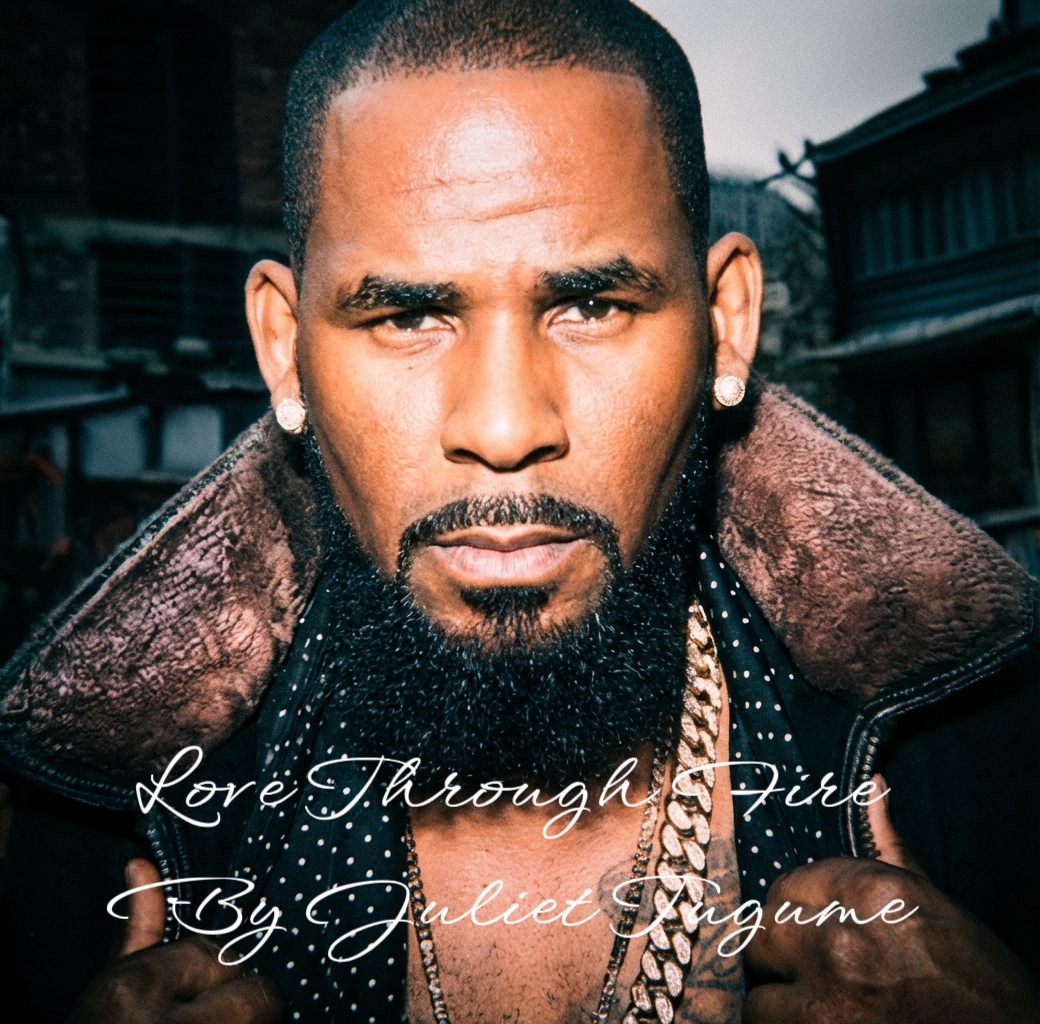
At times, young women who were not of age discovered Robert’s music and then fell in love with his personality from a distance, only to find out he was far more amazing in person. Women of unstable mind, soul and spirit would then take his rejection very personally, and it was a punch to their delicate ego to be rejected — especially because they hoped and dreamed of being with Robert and the fame, status and financial stability they would gain being with him.
Regular people who don’t have to navigate these realities may never understand, so it’s important then for those without these experiences to hold space for time, for truth, and a humble, willing heart to know and understand. Because there are far too many who will accuse the one being targeted for abuse as the abuser.
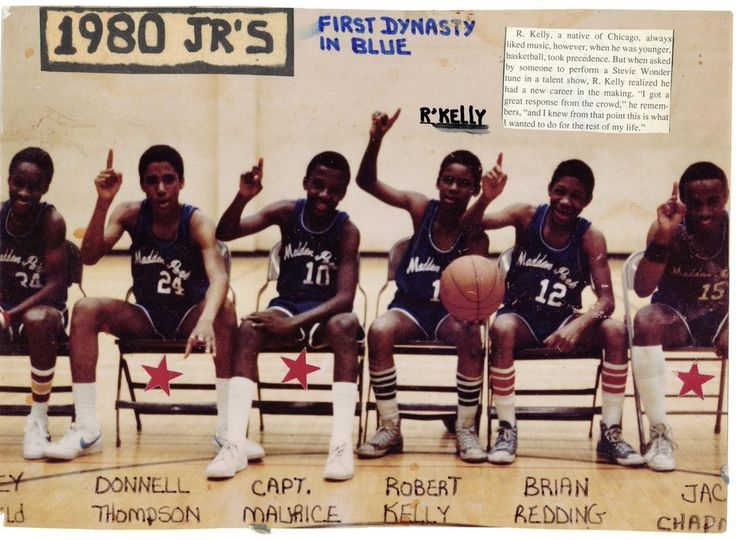
These are people quick to judge, harsh judges, quick to make assumptions — sometimes even very narcissistic types of personalities. That’s why all people must avoid moving in groups and mobs, especially online or where someone’s freedom and life are at stake. People cannot allow others to convince them that someone they don’t know is guilty of a heinous crime just by stories alone, no matter what or how many documentaries they make or how many people they gather to tell the same story.
You must remember that the higher someone climbs, the more access to enemies, envy, jealousy and danger they have. With that will come countless people willing to tell a bad story about them — even if it’s a complete fabrication and opposite to their character. If it will get that person more views, likes, follows, sponsors, support, fame and power… they will take it — and they will use whoever they can in order to get it. They will even use you.
When little boys carry big secrets, the weight of their silence often shapes the men they become. Robert carried his with courage, compassion, and a heart that never hardened, even when the world misunderstood him. He lived through pain and betrayal, yet he emerged as a protector, a man who tried to shield the vulnerable from the cruelty he himself once endured.
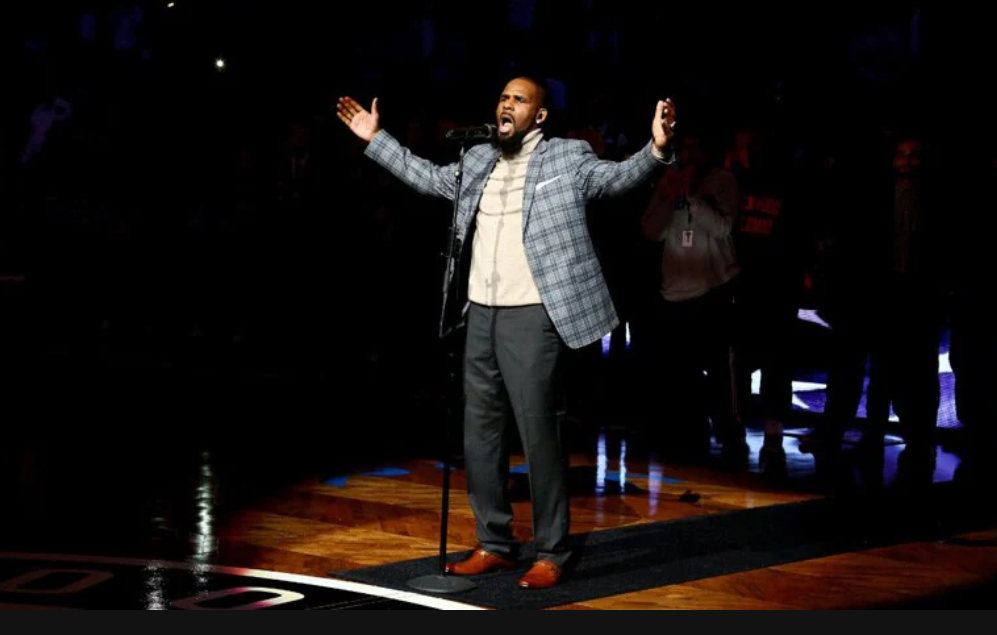
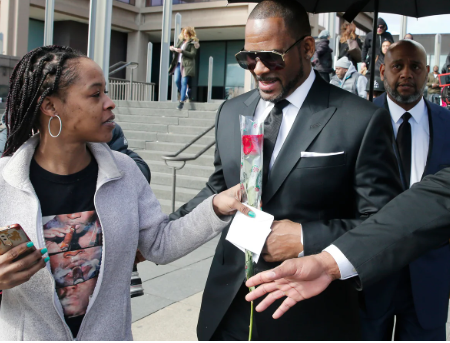
His story reminds us that childhood wounds do not always manifest in anger or cruelty — sometimes they grow into empathy, selflessness, and a quiet strength that is easy to misread. It asks us to pause before we judge, to remember that every life has hidden chapters, and that understanding often lies beneath the surface, in the spaces where silence has been kept for far too long.
“When Little Boys Carry Big Secrets” is not just Robert’s story — it is the story of resilience, of navigating a world that does not always believe the smallest voices, and of the profound humanity that can survive even the heaviest burdens.
Read more here:

 Love Through Fire...
Leave a comment